For decades, headphone listening felt inherently flat. You'd press a pair of cans over your ears and hear left-right stereo, period. That equation changed dramatically as spatial audio crept into the consumer market. What was once exotic studio gear became accessible, then essential. Today, spatial audio in headphones represents one of the most significant shift in personal audio since the wireless revolution. Understanding how it works, what hardware makes it possible, and which implementations actually deliver matters more than ever.
HRTF Algorithms and the Spatial Soundstage
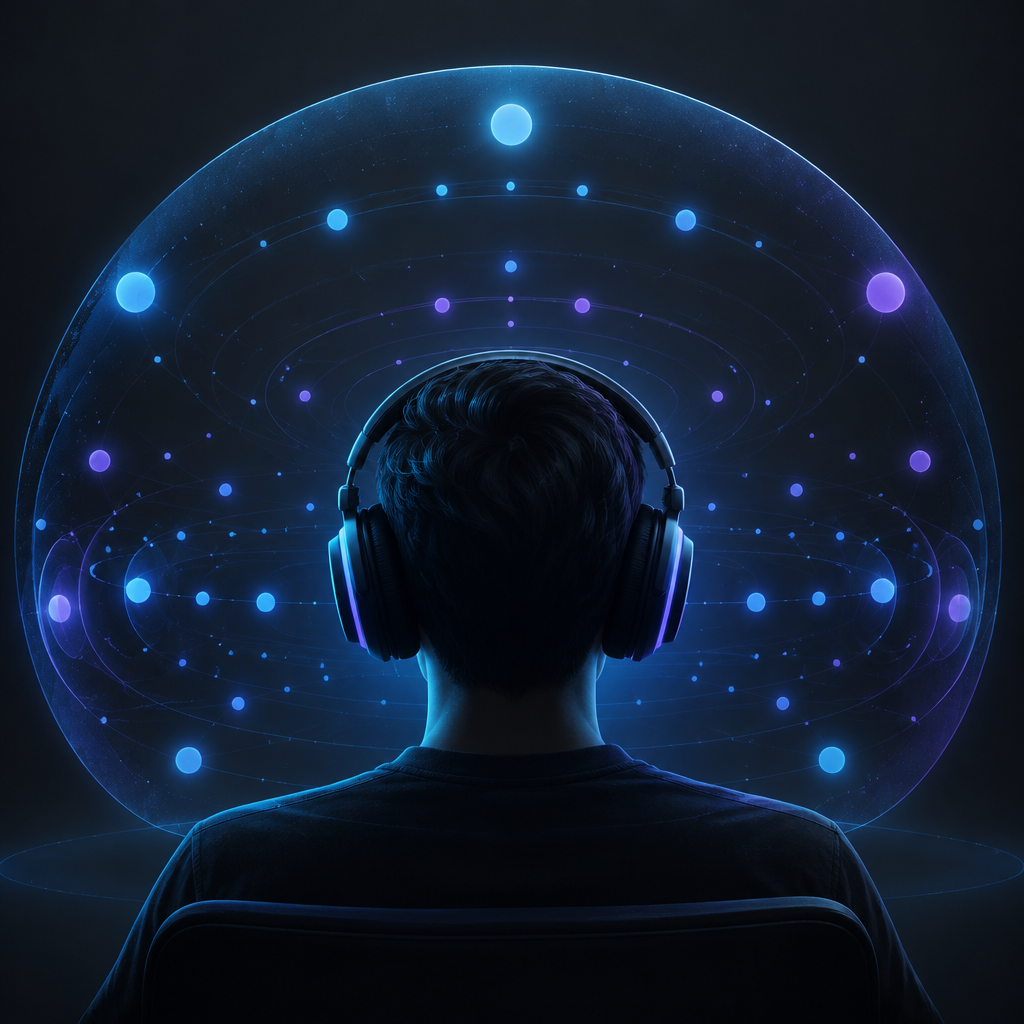
At its core, spatial audio uses algorithmic processing to create the illusion of three-dimensional sound. Traditional stereo gives you left and right; spatial audio adds height, depth, and width. Your brain perceives sound sources floating around you rather than locked between your ears. The magic happens through Head-Related Transfer Function (HRTF) processing, which simulates how sound waves interact with your head, ears, and upper body before reaching your eardrums. Different HRTF models exist, some personalized, others generic, but all aim to convince your brain that sound is coming from specific points in three-dimensional space rather than emanating directly from tiny drivers millimeters from your ear canal.
Bluetooth's evolution made consumer spatial audio feasible. Earlier codec limitations meant bandwidth constraints that ruled out complex audio processing. Bluetooth 5.3 and now Bluetooth 5.4 provide the throughput necessary for higher-quality spatial audio streams. Some brands went proprietary, crafting their own spatial implementations, while others adopted standardized approaches. Apple's spatial audio with Dolby Atmos became the reference implementation for many consumers, using accelerometers and gyroscopes in AirPods Max and compatible iPhones to track head movements. This dynamic head-tracking component elevates spatial audio beyond static processing. As you move, the soundstage moves with you, deepening immersion. It's the difference between watching a movie on a flat screen versus in a theater where the action genuinely surrounds you.
Acoustic Tuning and Multi-Driver Hardware
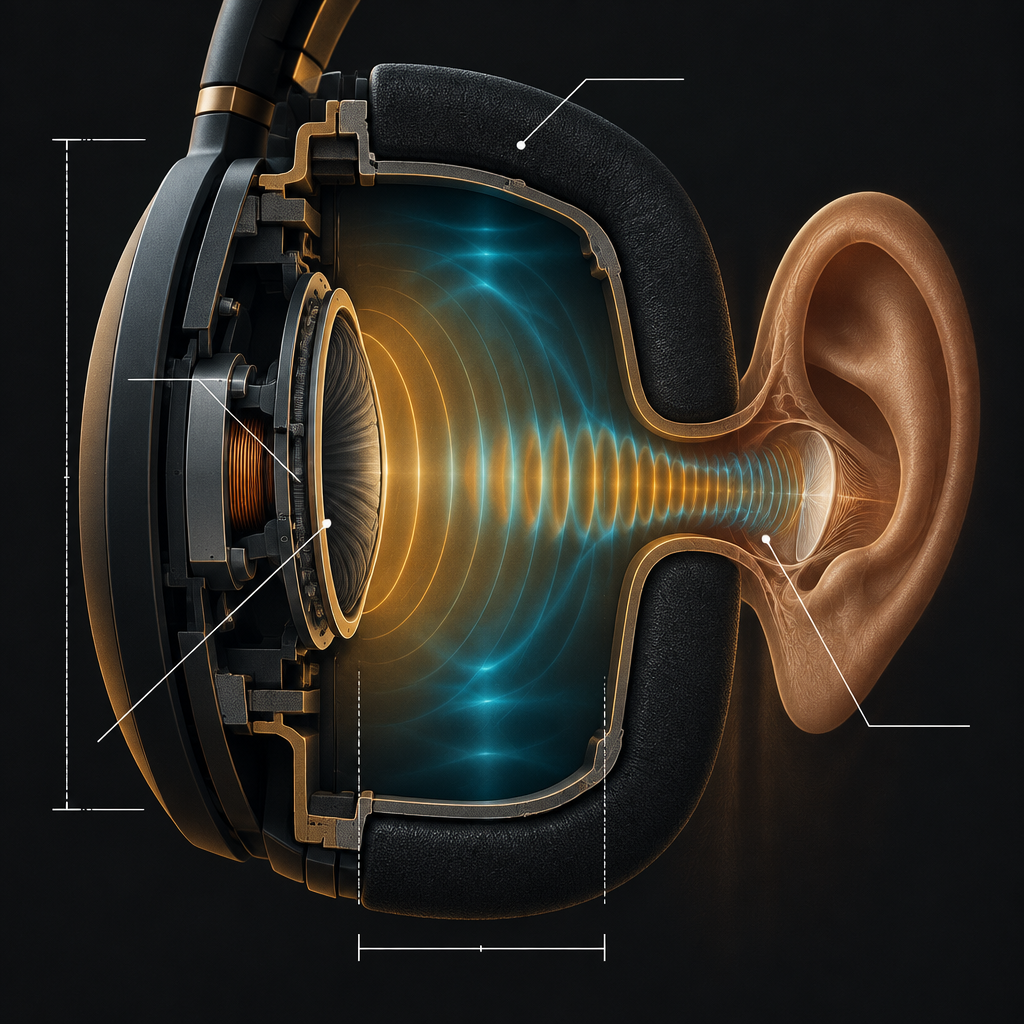
The hardware demands for spatial audio run deeper than standard wireless headphones. Drivers need precision tuning to handle the subtle phase delays and frequency adjustments spatial processing introduces. Your left and right earcup drivers no longer play identical feeds; spatial audio distributes distinct audio information to each side. Premium headphone manufacturers invested heavily in multi-driver designs, sometimes deploying dual drivers per earcup specifically to render spatial cues convincingly. Without careful acoustic design, spatial audio can sound artificial, boomy, or fatiguing, the opposite of immersive.
Gaming Applications and Tactical Directionality
Gaming headsets have become the proving ground for spatial audio innovation. Competitive gamers demand pinpoint sound localization; knowing whether an opponent's footsteps approach from left, right, or above matters tactically. Wireless gaming headsets from Turtle Beach, SteelSeries, and SCUF integrated spatial audio early, recognizing that esports audiences would tolerate no compromise on directional accuracy. These devices typically offer customizable spatial audio modes, letting players dial in aggressiveness based on game genre. A first-person shooter benefits from extreme spatial separation, while music and video benefit from subtler, more natural treatment.
Content Ecosystems and Studio Workflows
Content creation has become the bottleneck limiting spatial audio adoption. For spatial audio to shine, you need spatial audio content. Dolby Atmos soundtracks exist for films and streaming shows, but music catalogs lag significantly. Musicians and producers adapted slowly to spatial audio workflow; mixing for spatial format requires specialized expertise and equipment most studios lack. However, momentum is building. Spatial audio mixes now appear on major platforms like Apple Music, Amazon Music Ultra HD, and Tidal. Artists from major labels increasingly release spatial versions of hits alongside standard stereo, and independent producers access spatial tools more affordably than ever before. This creates a virtuous cycle where more content encourages hardware purchases, and rising hardware sales justify production investment.
The technical precision required for spatial audio reveals itself in edge cases. Most spatial implementations rely on HRTF models developed from measurements of average human heads. Your unique ear geometry inevitably differs, sometimes significantly. Some companies, notably Apple, offer HRTF personalization features that measure your individual ear shape using iPhone cameras. This granular approach sounds like overkill until you experience the difference; personalized HRTF can transform spatial audio from impressive to genuinely transcendent. Generic HRTF still works acceptably for most people, but the subset of users with atypical anatomy sometimes report that spatial audio feels unconvincing or causes discomfort.
Latency Optimization and Dedicated Signal Processors
Latency concerns shadow wireless spatial audio implementations. Processing spatial cues adds milliseconds to the audio pipeline. For movies or streaming content synced to video, this latency barely matters because video itself carries slight delays. But for real-time applications like online gaming, spatial audio processing must stay beneath the perceptual threshold where users consciously detect lag between action and sound. Modern implementations have mostly solved this problem through optimized processing and hardware acceleration, but wireless protocols with higher inherent latency sometimes struggle. The best gaming headsets maintain spatial accuracy while keeping latency under 40 milliseconds, a threshold where human perception becomes unreliable.
Battery efficiency presents another technical hurdle. Spatial audio processing drains batteries faster than standard stereo playback. Algorithms running complex mathematical transformations on audio streams in real-time consume significant computational power. Headphone manufacturers addressed this through specialized DSP (Digital Signal Processor) chips designed to handle spatial processing without hammering the main processor or battery. Premium headphones now feature dedicated audio processors that handle spatial rendering while the main system sleeps, preserving runtime. Budget models sometimes skip this optimization, offering spatial audio that works but kills battery life within hours.
Market Trends and AI-Driven Enhancement
The future trajectory becomes clearer as you examine market trends. Spatial audio remains premium-positioned; entry-level headphones still ship with standard stereo. But the cost gap narrows yearly. Wireless standards continue evolving; Bluetooth 6.0 recently announced promises even higher bandwidth and lower latency, enabling more ambitious spatial audio implementations. AI-powered spatial processing grows more sophisticated, with machine learning algorithms learning to enhance spatial cues dynamically based on context, gaming modes sound different from music modes, which differ from movies.
Perhaps most intriguingly, spatial audio is shifting how consumers think about headphone quality. Raw frequency response and driver size matter less; spatial rendering quality now commands the conversation. Experienced headphone listeners debate HRTF implementations and spatial processing algorithms the way they once debated impedance and cable materials. This represents genuine progress; audio quality has expanded beyond stereo tonality into immersive dimension.
Spatial audio in headphones transcended gimmick status. It's becoming standard expectation, particularly among younger consumers and gaming audiences. The technology continues refining, implementations grow more convincing, and content catalogs expand. For anyone serious about personal audio, spatial audio-capable headphones merit consideration, not as luxury, but as the next evolutionary step in how we hear music, games, and film through our ears.