Spatial audio has moved from gimmick to genuine necessity in 2026. If you are shopping for headphones or earbuds this year and spatial audio is not part of your decision matrix, you are missing what is arguably the most significant technology shift in personal audio since active noise cancellation went mainstream.
The question is not whether spatial audio is coming. It is already here. The question is which spatial audio implementation works best for your actual listening habits, and whether you are willing to pay the premium that comes with it.
What Spatial Audio Actually Does
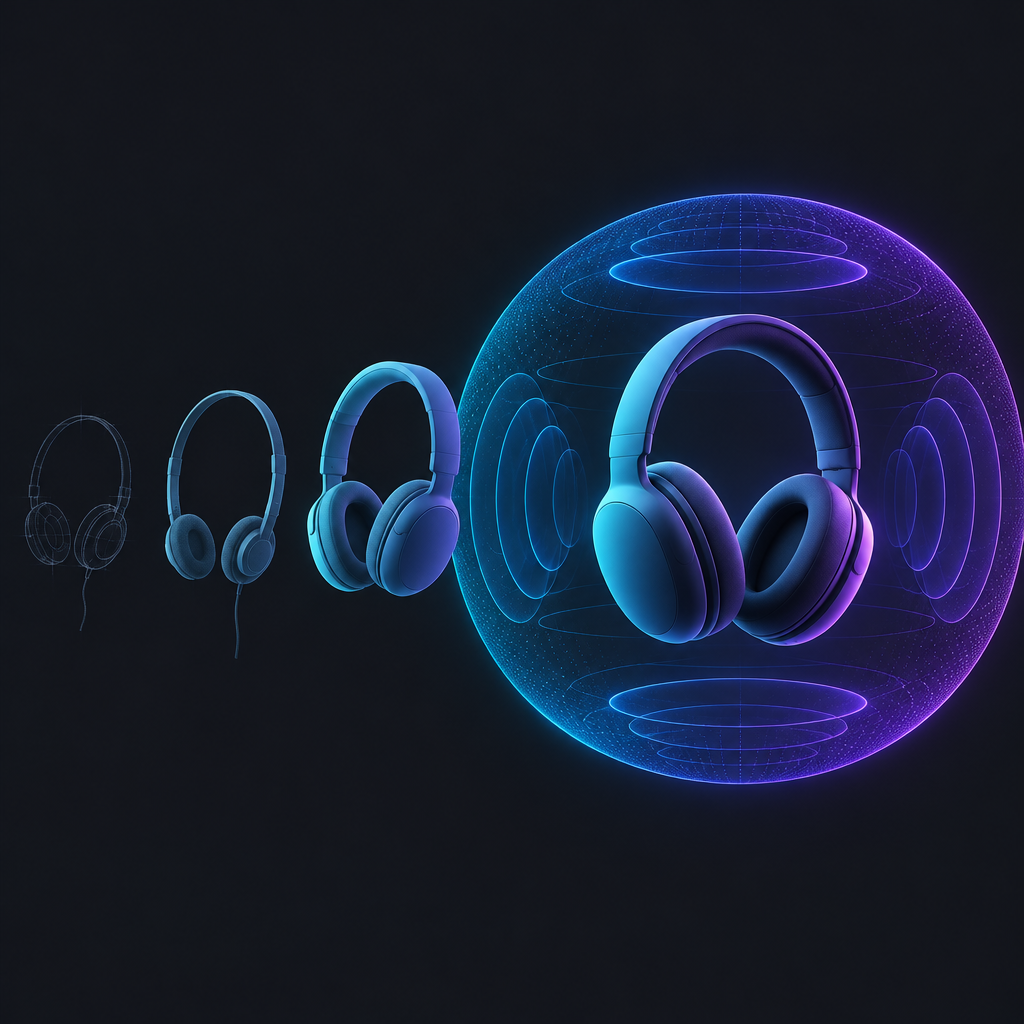
Spatial audio creates the perception of sound coming from specific points around your head, not just from inside your ears. A traditional stereo file has left and right channels. Spatial audio adds height, depth, and movement, so you can hear a voice coming from above, a car passing from front to back, or music positioned in a three-dimensional space around you.
This is not new as a concept. Movie theaters have used surround sound for decades. What is new is that headphones can now deliver this experience without requiring discrete surround speakers. That is the engineering breakthrough that matters for portable listening.
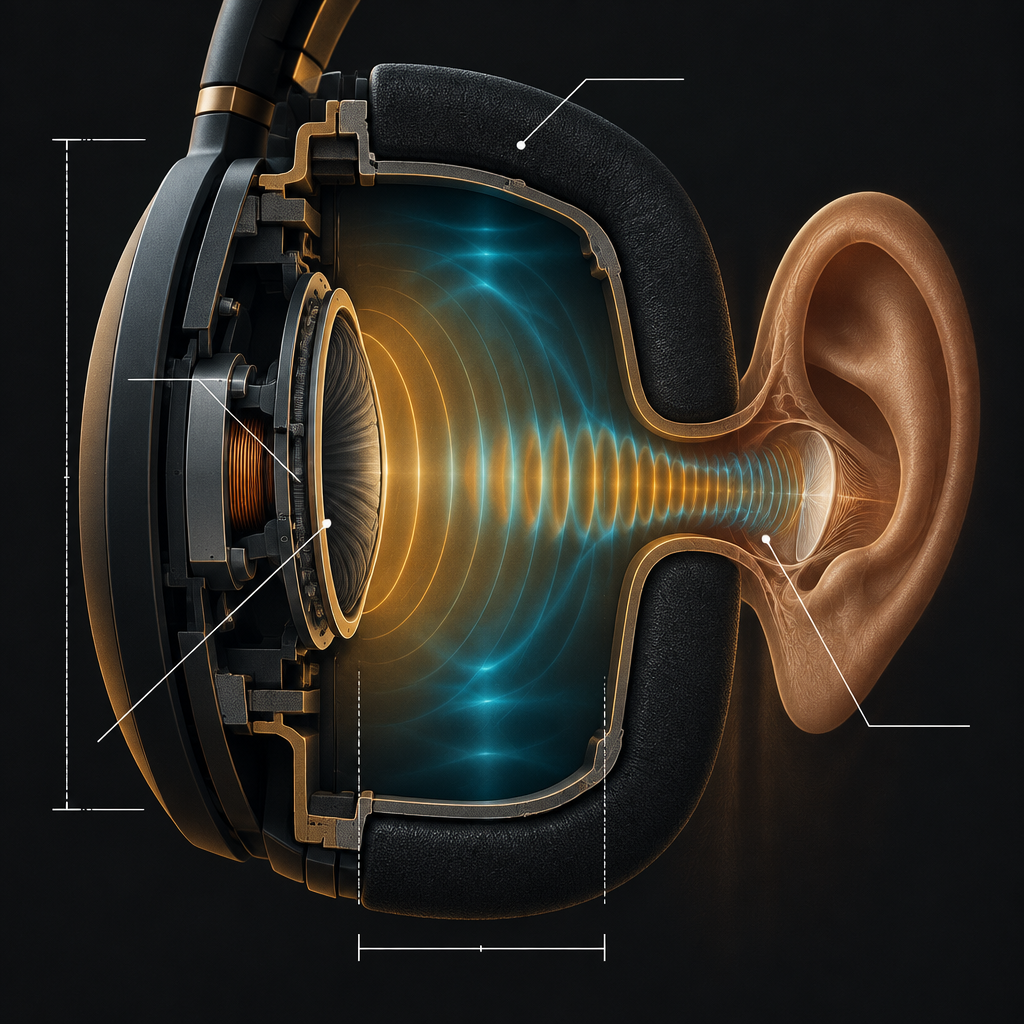
The experience is disorienting the first time you encounter it. Your brain is trained to expect sound to come from two directions: left ear and right ear. Spatial audio violates that expectation by placing sound sources that appear to originate from in front of you, behind you, or above you, using only two drivers. The illusion is created through precise timing differences, frequency shaping, and dynamic processing that mimics how your head, ears, and brain naturally localize sound.
Dolby Atmos and DTS:X: The Competing Standards
Dolby Atmos dominates consumer spatial audio implementation. You have probably experienced Dolby Atmos on streaming platforms like Apple TV, Disney Plus, and Netflix. The headphone version delivers similar immersion but adapted for two-channel listening.
DTS:X is the alternative spatial audio format, technically capable and with strong backing from manufacturers, but it remains less widely adopted than Dolby Atmos. From a practical standpoint in 2026, if you want spatial audio content that is actually available to listen to, Dolby Atmos is the standard that matters most.
Apple Spatial Audio, which works with AirPods Pro and AirPods Max, uses Dolby Atmos under the hood but adds head tracking so the sound field stays positioned relative to your head as you turn. If you own Apple products and plan to use them with Apple content, this is the most seamless implementation available. Android users do not have equivalent head-tracked spatial audio built into the platform, which is a meaningful advantage for Apple at this moment.
Where Spatial Audio Content Actually Exists
This is the constraint that trips up early adopters. Spatial audio only matters if you have content that uses it. You cannot create spatial audio from a stereo file after the fact; the content has to be mixed and encoded with spatial audio during production.
Music streaming services are slowly adding spatial audio catalogs. Apple Music, Amazon Music, and Tidal all offer spatial audio content, but the selection is curated, not comprehensive. You will find newer releases and selected catalog titles in spatial audio; older albums and niche genres may never be remixed for it.
Video content is where spatial audio adoption is fastest. Netflix, Apple TV, and Disney Plus all stream spatial audio content regularly. If you watch movies and series with spatial audio headphones, you will hear the difference immediately. The immersion is genuine.
Gaming is another strong use case. PlayStation 5 and Xbox Series X both support spatial audio, and new game releases increasingly include it in their audio mix. For competitive gaming, spatial audio provides genuine directional cues that can be an advantage; for story-driven games, the immersion uplift is real.
The Physics: How It Works
Spatial audio relies on head-related transfer functions, or HRTFs. These are mathematical models of how sound waves interact with your head, ears, and the surrounding space before reaching your eardrums. HRTFs are what your brain uses to determine where a sound is coming from in three-dimensional space.
Different people have slightly different HRTFs because heads and ears vary in shape and size. This is why generic spatial audio can sound off to some listeners; the HRTF used in the encoding does not perfectly match your individual head and ear geometry.
High-end spatial audio implementations measure your individual HRTF and customize the spatial audio processing to your specific head shape. This is why some high-end headphones include apps that use your phone's front camera to scan your ears and generate a personalized HRTF profile. The customization can be noticeable, though not transformative for most listeners.
The key technical requirement is that spatial audio headphones need to be capable of rendering multiple sound sources at different spatial positions simultaneously. This requires significant DSP processing and computation, which is why spatial audio headphones tend to have more sophisticated electronics than standard models.
Spatial Audio Headphones to Evaluate in 2026
Apple AirPods Max leads the consumer market for spatial audio performance. They are expensive (around 550 dollars), but they deliver the most convincing spatial audio experience available, particularly if you are in the Apple ecosystem with access to Apple Music, Apple TV, and Apple content.
Sony WH-1000XM6 supports spatial audio and combines it with Sony best-in-class noise cancellation. These are not Apple-exclusive; they work with any device and any Dolby Atmos content, making them the most flexible option for cross-platform listeners.
Bose QuietComfort Ultra supports spatial audio and focuses on comfort and active noise cancellation alongside it. If you plan to wear headphones for extended periods while also wanting spatial audio capability, these are worth auditioning.
Gaming-focused brands like SteelSeries Arctis Nova and HyperX Cloud Orbit also implement spatial audio, though with emphasis on gaming-specific positioning rather than music or film consumption.
The Practical Question: Do You Need It?
If you listen to music exclusively through headphones and rarely watch movies or play games, spatial audio is not a priority. Standard stereo is still the dominant audio format and will be for years to come. A quality pair of headphones with good stereo imaging will serve you fine.
If you watch a lot of streaming video content, spatial audio is worth the premium. Netflix movies encoded in Dolby Atmos sound noticeably better on spatial audio headphones than on standard headphones. The effect is not subtle.
If you game competitively, spatial audio provides actual functional benefit. Knowing where an enemy footstep is coming from in three-dimensional space rather than guessing left or right is a genuine advantage.
If you are an early adopter who values being on the cutting edge of audio technology, spatial audio headphones deliver that experience. But be realistic about how much of your listening content actually uses spatial audio encoding. The premium you pay should be worth it given your actual content consumption habits.
Looking Ahead: Where Spatial Audio Is Heading
Spatial audio adoption will accelerate through 2026 and 2027 as more streaming content gets remixed for it and more manufacturers include the capability in their headphones. The technology will become less exotic and more standard.
Personalized HRTFs will become more common as manufacturers realize that customization improves perceived quality. Your headphones will scan your ears and optimize spatial audio specifically for you, not for some generic average head shape.
Cost will come down as spatial audio becomes a commodity feature rather than a premium differentiator. In 2026, you are paying a significant premium for spatial audio. In 2027 and 2028, that premium will narrow.
The real test of whether spatial audio has become essential will be content availability. If your favorite music artists, filmmakers, and game developers are mixing for spatial audio, then it becomes genuinely indispensable. If spatial audio remains a premium niche, then standard stereo will continue to dominate.
For now, spatial audio is at that inflection point where it is good enough to justify the investment for video and gaming, but not yet good enough to completely replace standard stereo for all music listening. Make your choice based on where you spend the most time: content consumption or music listening.