For years, surround sound in gaming meant either a bulky speaker setup or a pair of headphones that promised spatial audio but delivered muddy directional cues. In 2026, that landscape has fundamentally shifted. Spatial audio technology, powered by sophisticated HRTF algorithms and real-time head tracking, has matured from marketing buzzword to genuinely transformative gaming tool.
Personalized Filters and the Science of HRTF
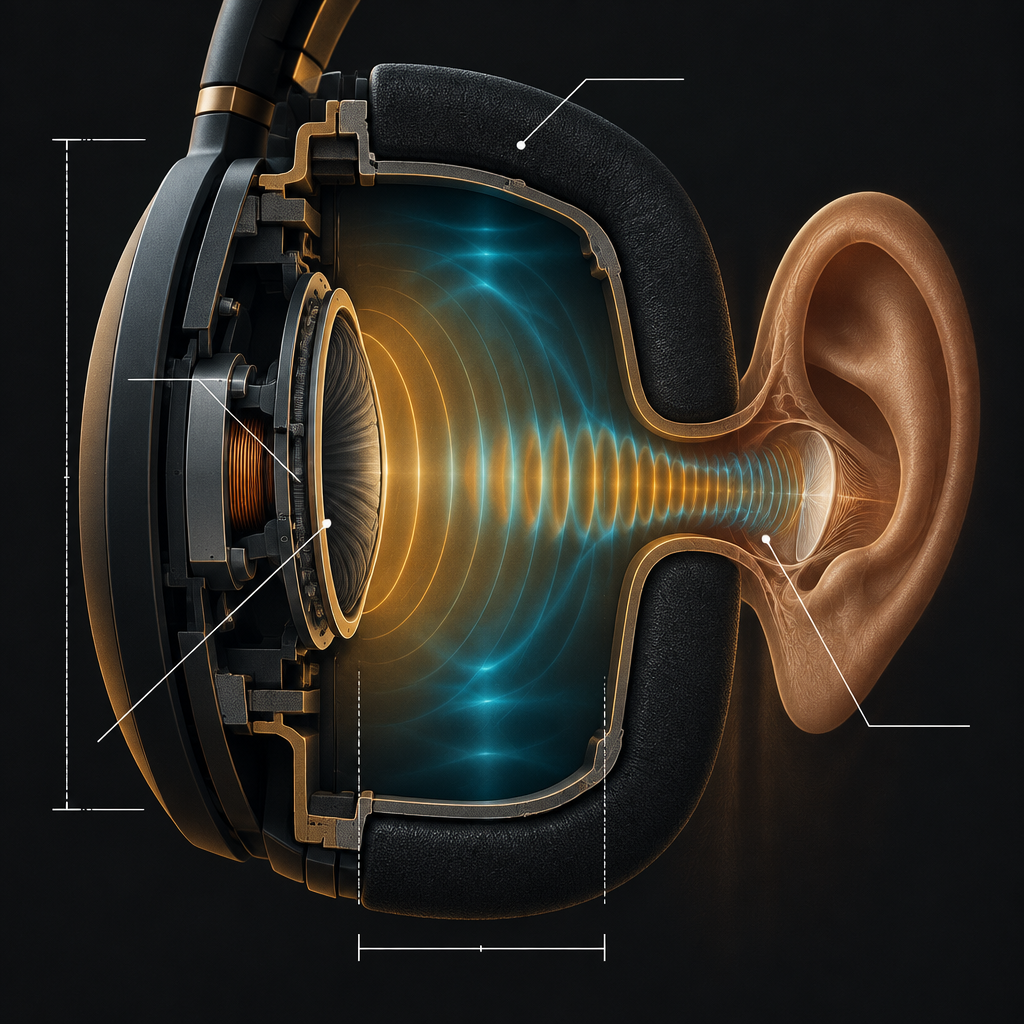
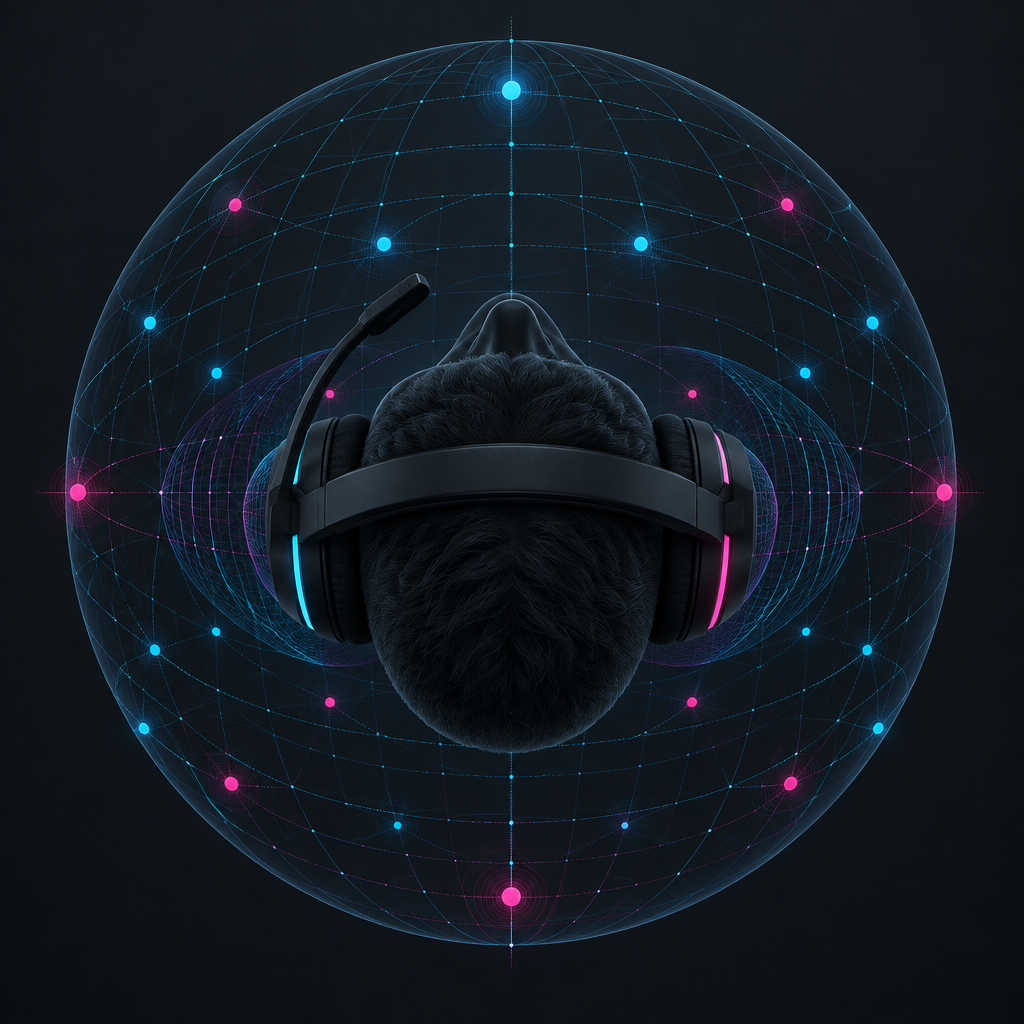
The core innovation rests on Head-Related Transfer Functions, or HRTFs. These are personalized audio filters that mimic how sound waves interact with your individual head and ear geometry before reaching your eardrums. No two heads are identical; the pinnae of your ears, the shape of your skull, and even the width of your torso subtly alter how you perceive directional audio. Generic spatial audio engines treated all listeners as standardized heads. Modern platforms now allow users to generate custom HRTF profiles, either through measurements taken during setup or by selecting from libraries of pre-calculated profiles designed for different ear and head types.
Audio-Technica's Immerse Gaming software exemplifies this precision approach. Rather than forcing all players through a single spatial algorithm, Immerse Gaming generates a personalized HRTF and applies real-time spatial processing to game audio streams. The practical outcome is striking: a footstep in a corridor behind you registers as authentically behind you, not merely off to the side with a subtle reverb tail. For competitive shooters where audio cues determine whether you're first to react, this accuracy translates to measurable performance gains.
Real-Time Head Tracking and Spatial Anchoring
The second pillar supporting modern spatial gaming headphones is head tracking. Most competitive headsets now integrate either built-in gyroscopes or compatibility with external head-tracking systems like the Tobii eye tracker. When your head moves, the spatial audio field moves with you, anchoring sound sources to the game world rather than your ears. A distant explosion remains distant even as you turn your head toward the sound. This creates an uncanny sense of immersion where the audio landscape feels externalized, as though sound originates from the game environment rather than inside your skull.
Technology leaders are diverging on implementation. Some manufacturers embed head tracking directly into the headset. SteelSeries' latest flagship gaming line includes nine-axis IMU sensors that track head orientation in real time. Others like HyperX and Turtle Beach partner with software ecosystems like Dolby Atmos for Headphones or proprietary engines that layer head tracking via compatible controllers or PC-connected sensors.
Per-Game Optimization and Third-Party Engines
Third-party audio platforms are accelerating innovation. THX Spatial Audio+ represents one of the most aggressive pushes yet, introducing flexible architecture designed to support per-game customization. Rather than a one-size-fits-all spatial engine, THX's platform allows game developers to optimize spatial profiles for their specific titles. An FPS benefits from precise directional accuracy and fast transient response; an open-world RPG prioritizes diffuse ambient immersion and room acoustics simulation. The same headset can deliver both, with the audio engine reconfiguring its processing based on game context.
Esports Mandates and the Competitive Edge
The competitive gaming sphere has embraced these advances with genuine enthusiasm. Esports organizations sponsoring players in tactical shooters now mandate specific headset models as part of standard loadouts, recognizing that spatial audio precision influences consistency and reaction time. At the professional level, where milliseconds determine tournament outcomes, the measurable advantage of HRTF-personalized spatial audio has become nonnegotiable.
Consumer headphone manufacturers are responding with aggressive product cycles. The FUXI-H7, designed explicitly for gaming, ships with five audio presets: FPS mode emphasizing directional footsteps and impact localization; RPG mode for expansive ambient environments; music mode for critical listening; cinema mode blending spatial immersion with narrative focus; and a fully customizable mode for genre-agnostic users. Each preset represents thousands of hours of HRTF optimization, with algorithms tuned specifically for how competitive players engage with sound during gameplay.
Multi-Modal Processing and Low-Latency Performance
Additionally, the rise of multi-modal audio processing has opened new technical frontiers. High-end gaming headsets now handle binaural spatial processing, simultaneous communication mixing, and real-time audio analysis without audible latency. Channels are dynamically allocated between game audio, voice chat, and tactical overlays like radar pings or ability cooldown alerts. Latency has dropped below 40 milliseconds on wired connections and 60 milliseconds on wireless links; for reference, human perception of audio-visual sync begins degrading around 100 milliseconds, meaning modern gaming headphones achieve imperceptible delay.
Software standardization remains an open challenge. Windows' native Windows Sonic and Dolby Atmos implementations coexist with vendor-proprietary solutions from SteelSeries, HyperX, and Turtle Beach. This fragmentation occasionally creates complications where a player might achieve optimal spatial rendering through a manufacturer's proprietary engine on one title but face reduced functionality when launching a different game that leverages Windows' built-in Dolby Atmos. Smart headsets are increasingly shipping with firmware that auto-detects the active game and reconfigures its audio profile accordingly, though this adds complexity to driver and firmware maintenance.
Market Democratization and Future Machine Learning
For casual gamers, the accessibility question remains vital. High-end spatial audio gaming headsets currently occupy the $200 to $400 price range. Manufacturers have begun introducing entry-level models at $100 to $150 with simplified HRTF profiling and optional head tracking, attempting to democratize access to spatial gaming. The competitive pressure from major players like SteelSeries, HyperX, and Corsair is driving innovation downmarket, with features formerly exclusive to flagship models trickling into mid-range offerings.
Looking forward, the integration of machine learning and adaptive algorithms promises headphones that learn your individual HRTF profile over time, refining their spatial rendering through continued gameplay. Some manufacturers are experimenting with eye-tracking integration, allowing spatial audio to pivot toward your visual focus rather than just head orientation. Rumors suggest Apple's next AirPods Pro iteration will introduce substantial HRTF improvements, which would likely accelerate mainstream adoption among casual listeners and force a competitive response across the industry.
Spatial audio in gaming headphones has matured from a novelty into genuinely essential technology for competitive players and an increasingly valued feature for enthusiasts. The combination of personalized HRTFs, real-time head tracking, software standardization efforts, and aggressive innovation from manufacturers means that 2026 represents a genuine inflection point. The gaming audio landscape of even two years ago now feels tonally flat by comparison. For anyone serious about gaming performance or immersive audio experiences, spatial-capable headphones are no longer optional; they're the baseline standard.