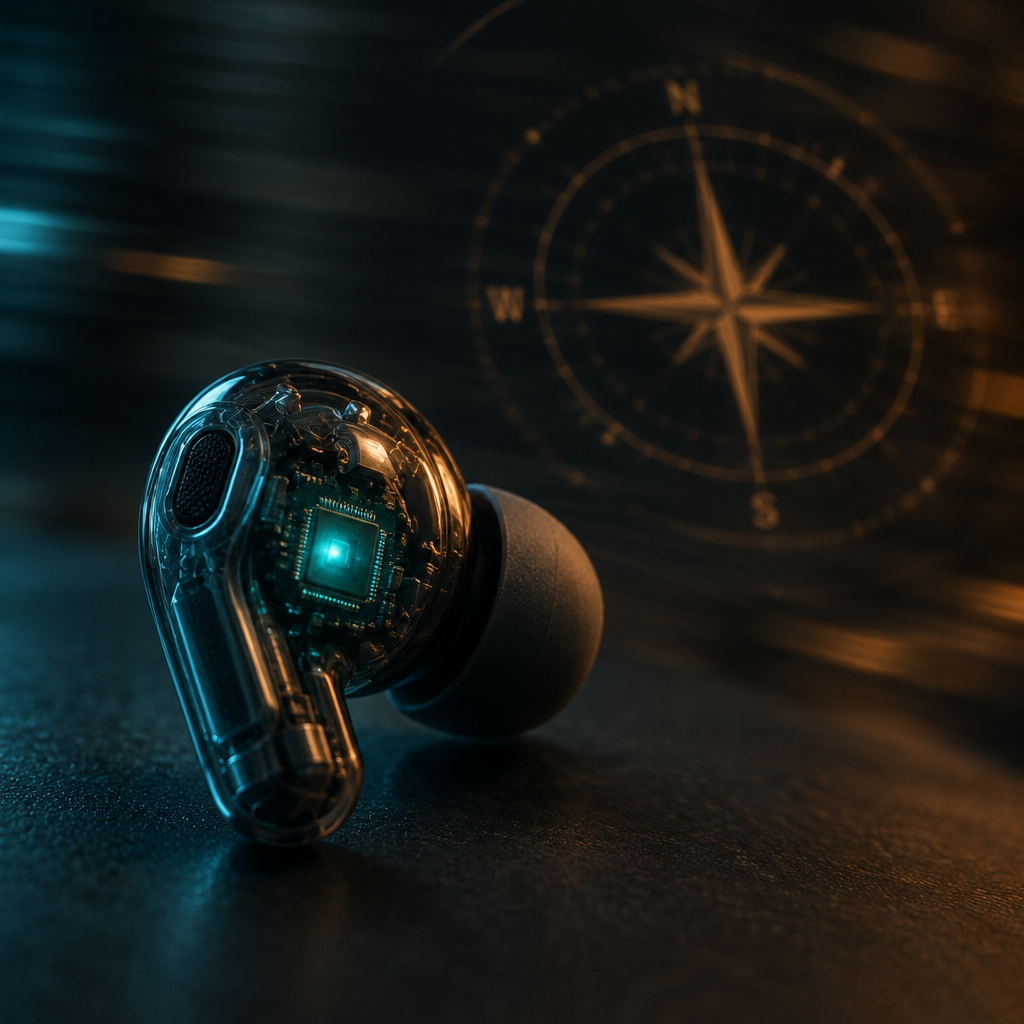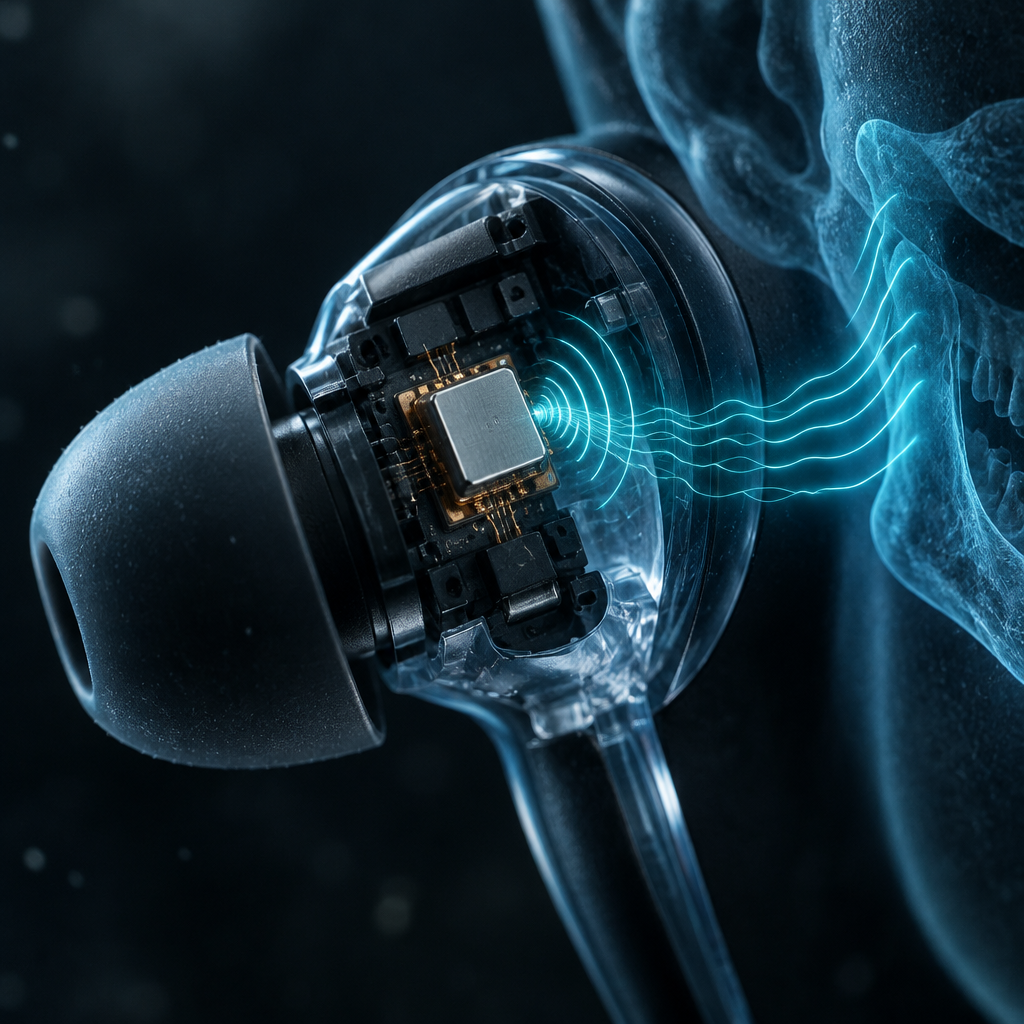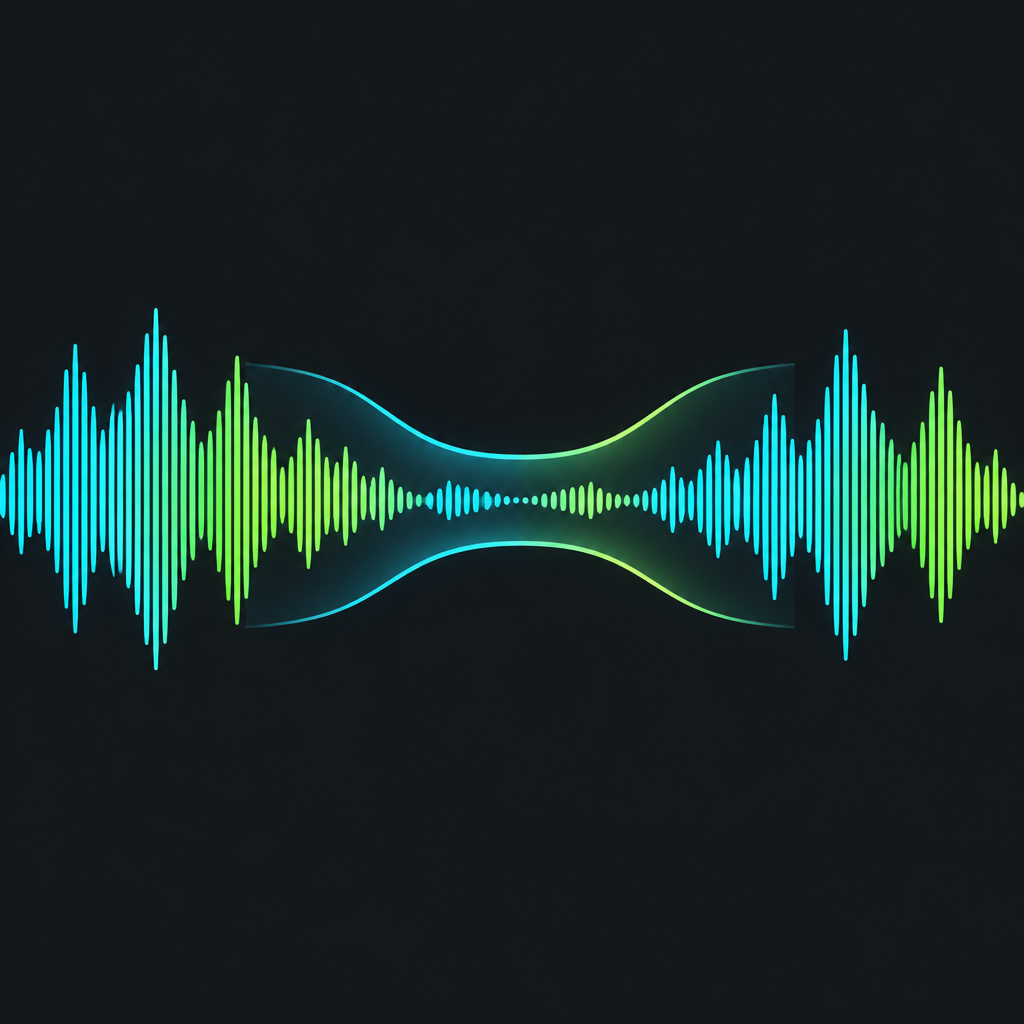
For years, wireless earpiece makers have wrestled with the same grinding problem: the old Bluetooth audio standard squeezed power like a vice, demanded latency measured in hundreds of milliseconds, and forced compromises that no amount of engineering could fully mask. Bluetooth 5.4 and its bundled LE Audio framework don't just tweak the margins. They fundamentally rewrite the rules of how sound travels from your phone to your ears.
The centerpiece of this transformation is the LC3 codec, a newcomer that is leaner, faster, and orders of magnitude more efficient than the aging standards it replaces. Before you dismiss this as techspeak, understand what this means in practice: earpieces that hold a charge for 2 to 3x longer, latency low enough for gaming without that ghostly lag, and sound quality that scales gracefully across vastly different bandwidth scenarios. It's the kind of shift that happens maybe once a decade in consumer electronics.
The LC3 Codec Isn't Just Another Upgrade
Wireless audio historically lived in a cramped space. The SBC codec, introduced with Bluetooth itself decades ago, was designed for compatibility and reliability rather than efficiency. AAC gave you better sound quality but consumed more power. aptX and its successors layered on sophistication, each iteration trading battery life for audio fidelity or lower latency. None of them solved the fundamental tension: the faster you wanted to hear sound (lower latency), the more power you burned. The higher the quality, the greedier the codec.
LC3 breaks this stalemate. Built ground-up for Bluetooth Low Energy (LE) rather than bolted onto the legacy architecture, it operates at bitrates as low as 24 kilobits per second, roughly one-tenth what older codecs require, while delivering sound quality competitive with AAC at much higher bitrates. The trick? Algorithmic efficiency. LC3 uses perceptual audio coding (it prioritizes what humans actually hear rather than preserving every frequency band equally) combined with frame sizes as small as 7.5 milliseconds. This means the codec processes audio in microscopically small chunks, reducing the time sound has to sit in a buffer waiting to be transmitted.
The result isn't merely academic. Real earpieces using LC3 report 40 to 60% longer battery life compared to traditional Bluetooth audio at equivalent quality levels. For a device drawing power from a case that might fit in your palm, that's the difference between all-day listening and mid-afternoon fade.
Latency: The Ghost in the Machine, Finally Exorcised
Anyone who's ever tried gaming with wireless earbuds knows the dread: your character moves, but the sound arrives a quarter-second later. That lag exists because audio undergoes a chain of processes (encoding, buffering, transmission, decoding, and playback), each adding delay. Older Bluetooth codecs stack these delays to 150 to 200 milliseconds or worse. That's enough to throw off rhythm games, annoy during video calls, and create a general sense of disconnection between sight and sound.
Bluetooth 5.4 with LE Audio cuts that to 20 to 30 milliseconds in typical conditions. At that threshold, latency becomes imperceptible to human perception; it falls below the minimum interval our brains use to sync audio and visuals. This isn't marketing hyperbole. It's psychoacoustics made tangible.
The architecture shift enables this leap. LE Audio abandons the old master-slave model where one device manages the connection while others passively follow. Instead, it uses isochronous channels, time-sliced pathways that guarantee a frame of audio arrives at a precise moment, every time, with no retransmission delays mucking up the timing. Your phone doesn't have to babysit the connection; the earpieces synchronize among themselves. Gaming headset makers have already recognized the implications; units shipping with LC3 support are displacing traditional gaming earpieces in benchmark reviews.
The Master-Slave Liberation: True Wireless Stereo, Finally
True Wireless Stereo (TWS), where each earbud operates independently, has always been architecturally fragile. Older Bluetooth designated one earbud the master, responsible for pairing with the phone and managing the connection to its twin. The other earbud (the slave) had to stay in sync, creating a daisy-chain of latency and power drain. If the connection hiccupped, the slaves sometimes fell out of sync, resulting in that awful moment when one earbud goes silent and then suddenly roars back to life.
LE Audio's mesh-like topology dissolves this hierarchy. Both earpieces maintain independent but coordinated connections to the source device. They synchronize without one being subordinate to the other. In practice, this means more robust connections, better handling of interference, and significantly lower power consumption on the secondary earbud. Your right earbud no longer has to work twice as hard to stay in lockstep with the left one.
Manufacturers are building on this in unexpected ways. Some earpiece designs now support three or four simultaneous audio streams (your music on one, a phone call on another, gaming audio on a third), with each stream arriving at slightly different times optimized for its use case. That level of flexibility was technically possible before but prohibitively power-hungry. Now it's table stakes for premium models.
Scaling Bandwidth: Quality That Adapts
Here's where LC3's design philosophy reveals its maturity. The codec operates across a range of bitrates: 24, 32, 48, 64, 96, 128, and up to 320 kilobits per second. At 24 kbps in a crowded coffee shop with WiFi interference, you get perfectly listenable audio at a fraction of the power cost. Bump to 96 kbps on a stable connection, and you get something approaching lossless. Go to 320 kbps, pure luxury, but possible on Bluetooth 5.4 with reduced range.
The earpiece firmware can dynamically shift between these bitrates without dropping the connection or introducing audible artifacts. If you're in a subway and interference spikes, the earpiece automatically ratchets down the bitrate, taking the bandwidth hit rather than the latency or connection stability hit. This adaptive behavior means earpieces degrade gracefully instead of either working perfectly or failing catastrophically.
Older codecs couldn't do this. They were fixed-bitrate: work perfectly in ideal conditions or drop out entirely. LC3's flexibility means real-world conditions, the messy, crowded, interfered-with reality where most people actually use earpieces, no longer derail the listening experience.
The Ecosystem Still Catching Up
Here's the caveat: LC3 and LE Audio remain less ubiquitous than traditional Bluetooth. Your flagship earpieces from 2025 to 2026 probably support it; your phone almost certainly does. But older accessories, car systems, and Bluetooth speakers remain tethered to the old standards. The transition will take years. Manufacturers are playing it safe, including both LC3 and legacy codec support in new earpieces, which adds cost and complexity but ensures backward compatibility.
Yet the trajectory is unmistakable. Every major chipmaker (Qualcomm, MediaTek, Broadcom) now includes LC3 support in their Bluetooth 5.4 designs. Earpiece makers across all price tiers are shipping LC3-capable units. The audio quality, power efficiency, and latency improvements are too substantial to ignore. In two years, an earpiece without LC3 support will feel dated the way aptX-less earpieces felt in 2020.
What This Means for Earpiece Buyers
If you're shopping now, look for LC3 support as a primary differentiator, not a footnote. It's the single largest leap forward in wireless audio efficiency since aptX arrived. Earpieces equipped with it will hold a charge longer, deliver lower latency in real-world conditions, and maintain connection stability in interference-heavy environments. Your phone will recognize LC3 earpieces automatically; there's no firmware update required.
The sound quality won't blow you away if you're comparing a 96 kbps LC3 stream to a wired headphone. But the freedom, longevity, and reliability improvements ripple through every aspect of the experience. That's the quiet revolution happening in wireless audio right now. Bluetooth 5.4 and LC3 didn't invent a new standard so much as dismantle the old compromises and replace them with sensible engineering. For earpiece makers and listeners alike, it's the best kind of progress: the kind you feel before you understand why.