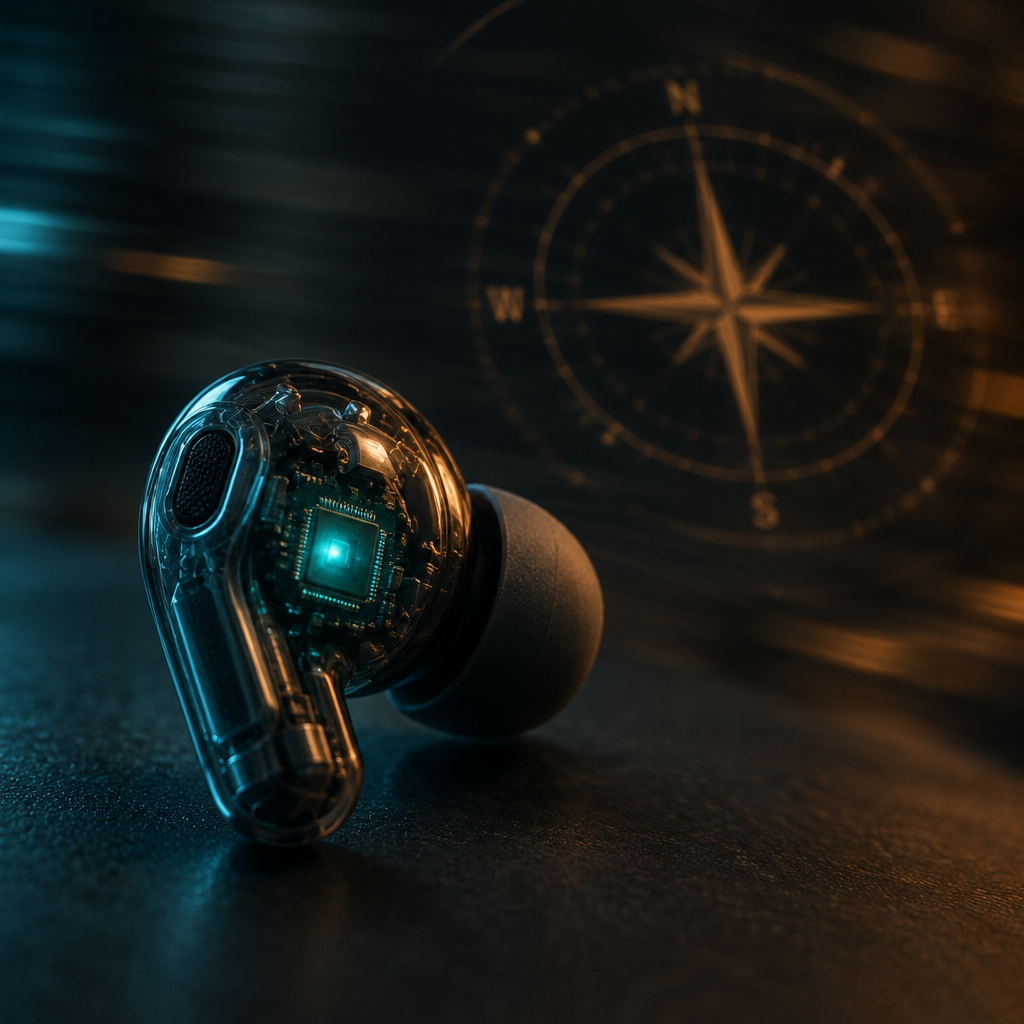
The Evolution of Bluetooth Audio: From Classic to LE Audio
For over two decades, Bluetooth has been the backbone of wireless audio connectivity. Millions of earpieces, headphones, and hearing aids rely on the technology to deliver sound without wires. Yet beneath the surface, the architecture has remained largely unchanged. Classic Bluetooth was built for point-to-point communication, meaning one earpiece connects to one device at a time. Power consumption was constant, latency often unpredictable, and broadcasting audio to multiple listeners required workarounds.
Bluetooth Low Energy, introduced alongside Bluetooth 4.0, solved the power problem for data transfer. But audio was left behind, stuck on the older standard. That changed with Bluetooth LE Audio, which fundamentally reimagines how earpieces receive sound.
What Exactly Is Bluetooth LE Audio?
Bluetooth LE Audio is a complete redesign of wireless audio that leverages the Bluetooth Low Energy radio. Unlike classic Bluetooth audio, which was designed specifically for headphones and earpieces, LE Audio is part of a broader architecture that can handle everything from stereo streaming to hearing aid assistance.
The core difference is the codec. Where classic Bluetooth relied primarily on SBC (Subband Coding), LE Audio uses LC3 (Low Complexity Communications Codec). LC3 is dramatically more efficient, delivering better sound quality at lower bitrates. Early independent tests showed LC3 achieving near-CD quality (16-bit, 44.1kHz) while consuming roughly half the power of classic Bluetooth audio.
But the real magic isn't just in efficiency. LE Audio introduces true multi-device connectivity. Your earpieces can simultaneously connect to your smartphone, tablet, and laptop, seamlessly switching between them without reconnecting. Latency dropped significantly as well. Classic Bluetooth audio typically runs 150-200 milliseconds of delay; LE Audio targets as low as 50 milliseconds, opening the door for gaming and video sync.
Auracast: Broadcasting Audio to Everyone
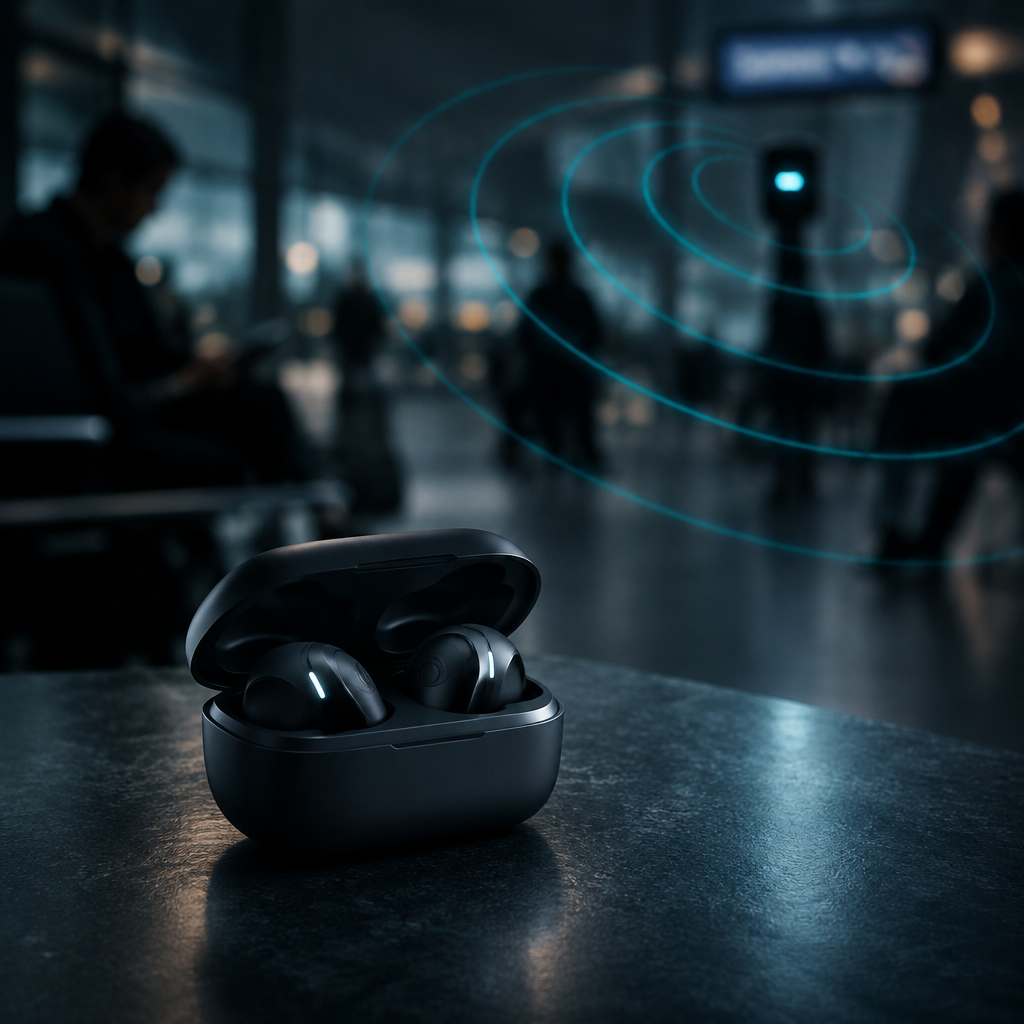
LE Audio's most revolutionary feature is Auracast, also called Bluetooth Broadcast Audio. Imagine walking into an airport terminal. Instead of relying on a single PA system that everyone in the terminal must hear, the airport broadcasts an Auracast stream. Passengers with compatible earpieces or hearing aids simply "tune in" to receive the announcement. No pairing, no app, no confusing Bluetooth menus. The earpiece recognizes the broadcast and plays it.
Auracast works like an invisible radio station. A single transmitter sends audio to hundreds of compatible listeners simultaneously, each with their own independent audio stream if needed. This has massive implications for public spaces: movie theaters can offer individual volume control to each patron; airports can broadcast gate announcements in multiple languages simultaneously; conferences can deliver live translation directly to earpieces.
For personal use, Auracast means sharing music with a friend is as simple as broadcasting from your phone. Both of you hear the same track in real-time, without classic Bluetooth's pairing overhead.
Battery Life and Power Efficiency
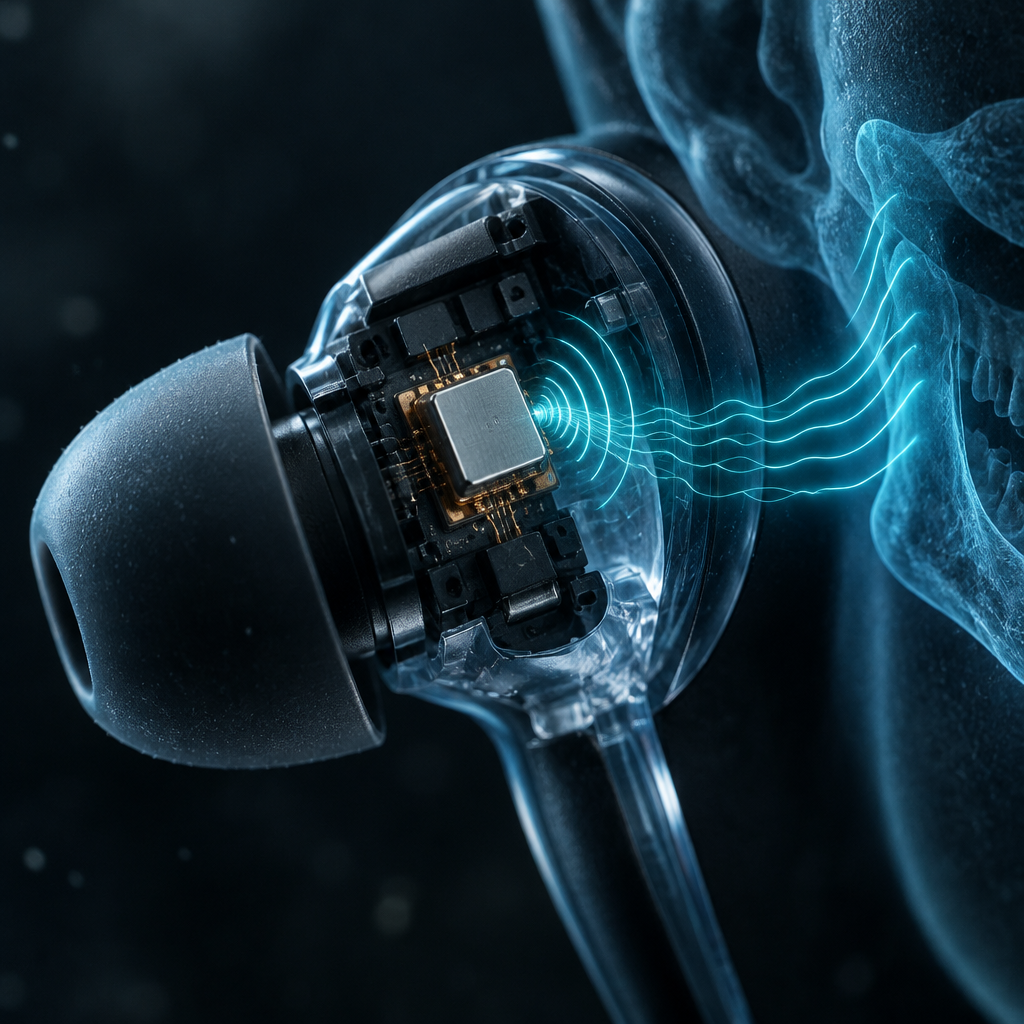
Power consumption is where LE Audio truly shines. Early data from manufacturers shows earpieces using LE Audio can run 30-50% longer on a single charge compared to classic Bluetooth equivalents. The LC3 codec is the primary driver, but LE Audio's overall architecture contributes as well.
The protocol allows earpieces to sleep when not actively receiving audio, reducing idle power draw. Hearing aids, which have always been limited to single-digit hour battery life, can now run several days on a charge when LE Audio is enabled. For everyday earpieces, this means going from three hours of listening to four or five hours without adding bulk or weight.
The Transition: When Will LE Audio Become Standard?
LE Audio earpieces are already shipping. Samsung, Apple, Google, and Sony all have models with at least partial LE Audio support. The infrastructure is in place; adoption is accelerating. Android 13 and later include native LE Audio support, as do recent iOS versions.
The catch? Not all devices support it yet. Your three-year-old smartphone might not recognize an LE Audio broadcast. Older earpieces won't suddenly gain the feature through a software update. The transition will take years, with classic Bluetooth and LE Audio coexisting.
However, new earpiece launches increasingly include dual-mode support, maintaining backward compatibility with classic Bluetooth while adding LE Audio capabilities. This safety net eases adoption. Buyers aren't forced to replace their phones or computers; they simply get a headset that works with everything.
Practical Implications for Users
If you're shopping for earpieces today, LE Audio isn't yet a requirement. Your current phone probably doesn't support it, and neither does your car. But it's worth looking for dual-mode earpieces that include LE Audio readiness. You're not paying extra for features you can't use yet, but you're future-proofing for when Auracast broadcasts become commonplace.
Gaming on earpieces will genuinely improve. The latency drop from 200ms to 50ms makes wireless gaming nearly indistinguishable from wired audio. Video calls become more natural, and music playback stays perfectly in sync with video.
For accessibility, LE Audio changes the equation entirely. Hearing aids with LE Audio can stream directly from smartphones, TVs, and computers without intermediary devices. Auracast broadcasts can be customized per listener, offering personalized volume, EQ, or even language preference. Public accessibility just improved dramatically.
The Road Ahead
Bluetooth LE Audio and Auracast represent a fundamental reset of wireless audio expectations. Lower power, lower latency, better quality, and true multi-device support weren't supposed to coexist. Yet here they are, coming to earpieces and hearing aids now.
The transition from classic Bluetooth will be gradual, but inevitable. Within five years, LE Audio will likely be the standard on new devices. Within ten, classic Bluetooth audio may become a legacy feature relegated to older hardware and budget models.
For earpiece enthusiasts, it's an exciting time. The technology is mature, affordable earpieces are shipping with it, and the first wave of Auracast-enabled venues are going live. The wireless audio revolution isn't coming. It's already here.