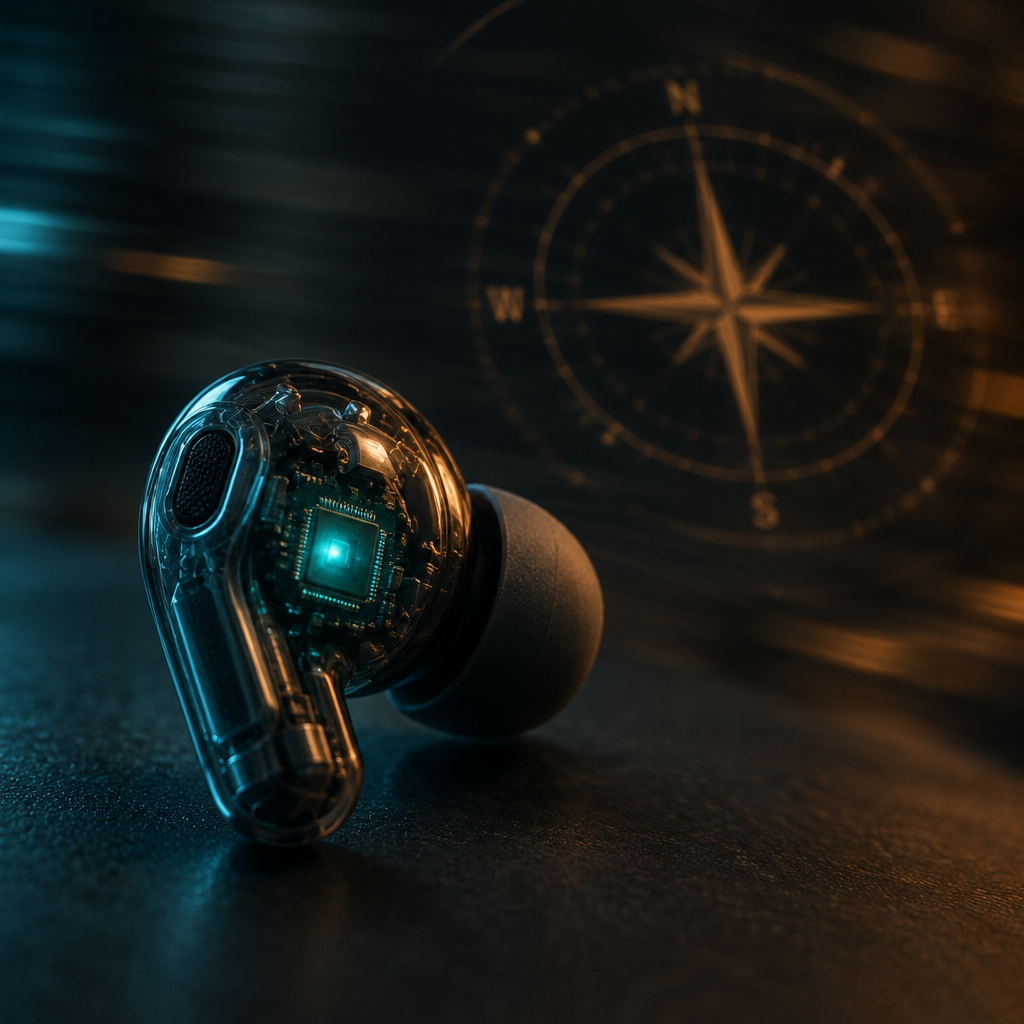
The microphones on your earpieces aren't just for calls. In 2026, every mainstream true wireless model from AirPods to Samsung Galaxy Buds Pro uses them to bring the outside world into your listening experience without taking the buds out. Ambient listening mode, also called transparency or passthrough, has become table stakes. The difference between a cheap implementation and a great one is the gap between hearing conversations clearly and feeling like you're listening through a foggy window.
Microphone Architectures and Signal Processing Challenges
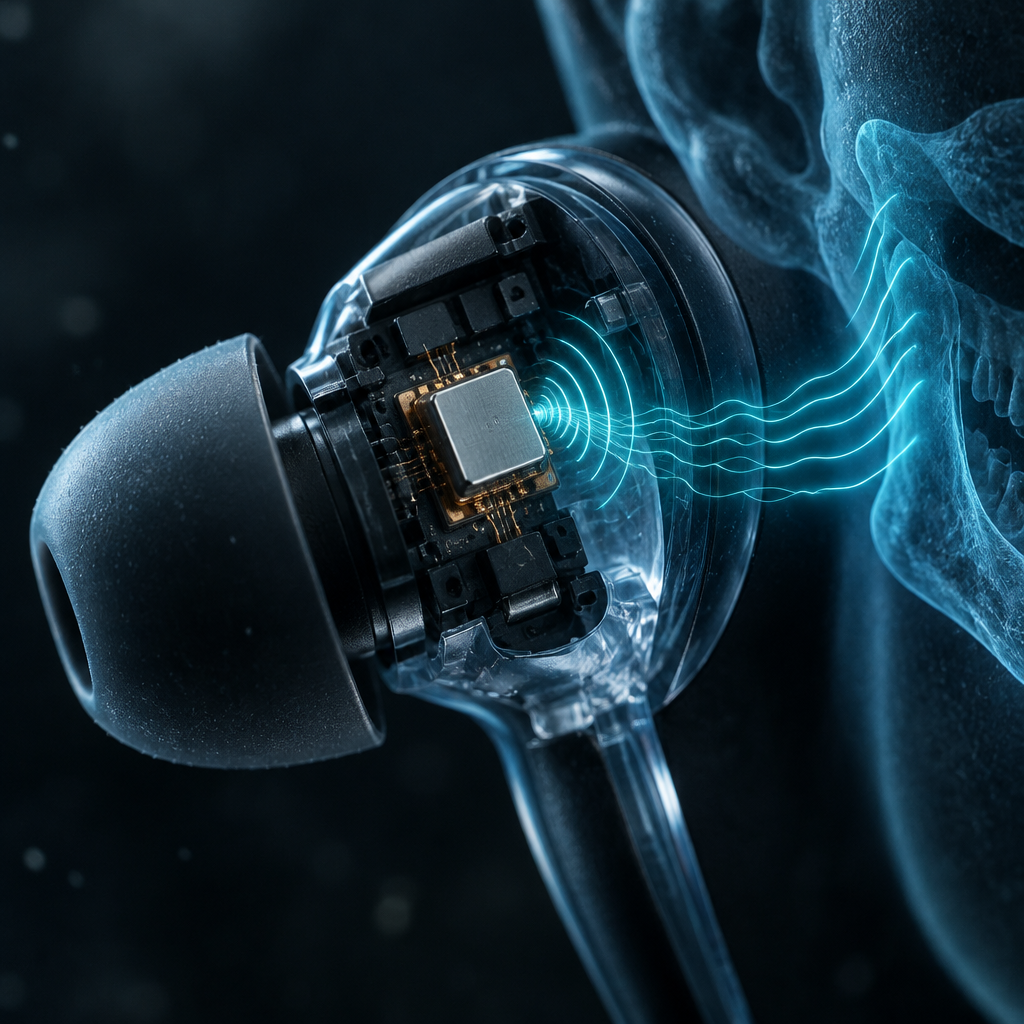
At its core, ambient listening is straightforward: capture audio from the microphones on the outside of the earpiece, process it in real time, and mix it with your music or podcast. The complication starts immediately. Your earpieces are tiny. Space constraints mean microphone placement is tight. External noise includes wind rumble, traffic roar, your own footsteps. Isolating human speech and environmental safety cues while rejecting these low-frequency artifacts requires signal processing that didn't exist five years ago.
The current generation of earpieces uses two main architectures. Feed-forward ambient listening uses only the external microphone to pick up outside sound; it's simple and cheap. Feed-back ambient listening uses the internal microphone (the one that hears your music) as well, creating a more sophisticated model of what's happening in the room. Sony, Apple, and Samsung all lean toward feedback architectures now because they handle wind noise and sudden volume spikes better.
Comparing Sony, Apple, and Sennheiser Implementations
Sony WH-1000XM5 earbuds and AirPods Pro 2 both offer genuinely useful ambient modes. The Sony implementation is more aggressive; it amplifies quiet voices and environmental detail, which is great if you're in a noisy coffee shop but strange in a quiet room where people start sounding artificially louder. Apple's approach is more subtle. AirPods Pro 2 let through natural conversations without the amplification, and the sound quality of the passthrough audio is closer to what you'd hear with the buds out. For someone who lives in ambient mode, Apple's implementation is easier to live with all day.
Sennheiser Momentum True Wireless 4 uses a three-microphone system specifically optimized for ambient listening. Three mics allows better spatial audio reconstruction; you get a sense of direction for sounds in your environment, not just volume. The effect is subtle but real. Conversations feel like they're coming from the person next to you, not from everywhere at once.
Safety Considerations and Behavioral Changes
The feature creates a genuine safety argument. Cyclists, runners, and commuters who used to have to take one earbud out to hear traffic now have ambient mode as an option. The downside is behavioral. Ambient mode is psychologically addictive because it solves a real problem; once you've heard how it works on a good implementation, going back to total isolation feels reckless. That's how the feature went from a gimmick to a requirement in less than five years.
The Sub-20 Millisecond Latency Frontier
Latency is the next frontier. Ambient listening introduces a slight delay between real-world sound and what you hear. Most implementations add 50 to 200 milliseconds of processing lag. In quiet environments, you notice this; there's a mismatch between lip movements and speech, or your own voice sounds slightly out of sync when you're speaking. Qualcomm and Apple are both working on sub-20-millisecond implementations using dedicated DSP chips and optimized firmware. We're not there yet in consumer products, but 2026 will likely see the first true imperceptible ambient modes.
Turbulence and the Persistent Problem of Wind Noise
Wind noise remains the unsolved problem. Any earbud in wind creates a low-frequency rumble that drowns out everything else. Sennheiser and Apple have made progress with physical foam designs that reduce turbulence on the microphone capsule, but a truly noise-proof design while keeping earpieces tiny is still open. This is why running or cycling in moderate wind can make ambient mode unusable, even on expensive models.
On-Device Machine Learning and Context Awareness
The next evolution is context awareness. Imagine earpieces that understand whether you're in a meeting, on a call, or at the gym, and adjust ambient listening parameters automatically. Some machine learning on-device would be needed, but the processing power is there. Apple and Google have already experimented with on-device ML for audio; applying it to ambient listening intelligently is the logical next step. By 2027 or 2028, this will probably be standard.
Buyer Advice Across Price Tiers in 2026
For buyers in 2026, ambient mode quality should be part of the evaluation. If you spend time in environments where you need to hear the world around you, test the implementation before buying. The difference between mediocre and excellent is noticeable and affects daily use more than codec choice or battery life. AirPods Pro 2, Sony WH-1000XM5, and Sennheiser Momentum True Wireless 4 all handle it well in different ways. Budget models under $100 typically use simple feed-forward architectures and sound thin or overly amplified. The sweet spot for genuine ambient listening is $150 to $250 range and up.
The practical reality is that ambient mode is no longer a feature you ignore. It's become part of how people use earpieces. The technology is good enough to trust for safety and immersive enough to enjoy. The future is refinement: less latency, better wind handling, and smarter context. We're in the middle of the curve for this feature, not at the beginning or end.