The Latency Paradox That Everyone Experiences and Nobody Explains
Open the spec sheet on basically any wireless gaming headset in 2026 and you will find a claim that looks roughly like this: "Ultra-low 20ms latency" or "15ms wireless connectivity" or something in that neighborhood. These numbers are technically true and functionally misleading in ways that matter if you're someone who cares about competitive gaming responsiveness.
You can buy a SteelSeries Arctis Nova Pro Wireless that advertises 20ms latency and experience it as noticeably slower than a wired headset that has zero latency. This is not a placebo. This is not your brain tricking you. This is the latency specification measuring something completely different from what your nervous system is detecting when you play a match-based first-person shooter.

SteelSeries Arctis Nova Pro Wireless Gaming Headset
The Thing the Spec Sheet Measures vs. The Thing Your Brain Feels
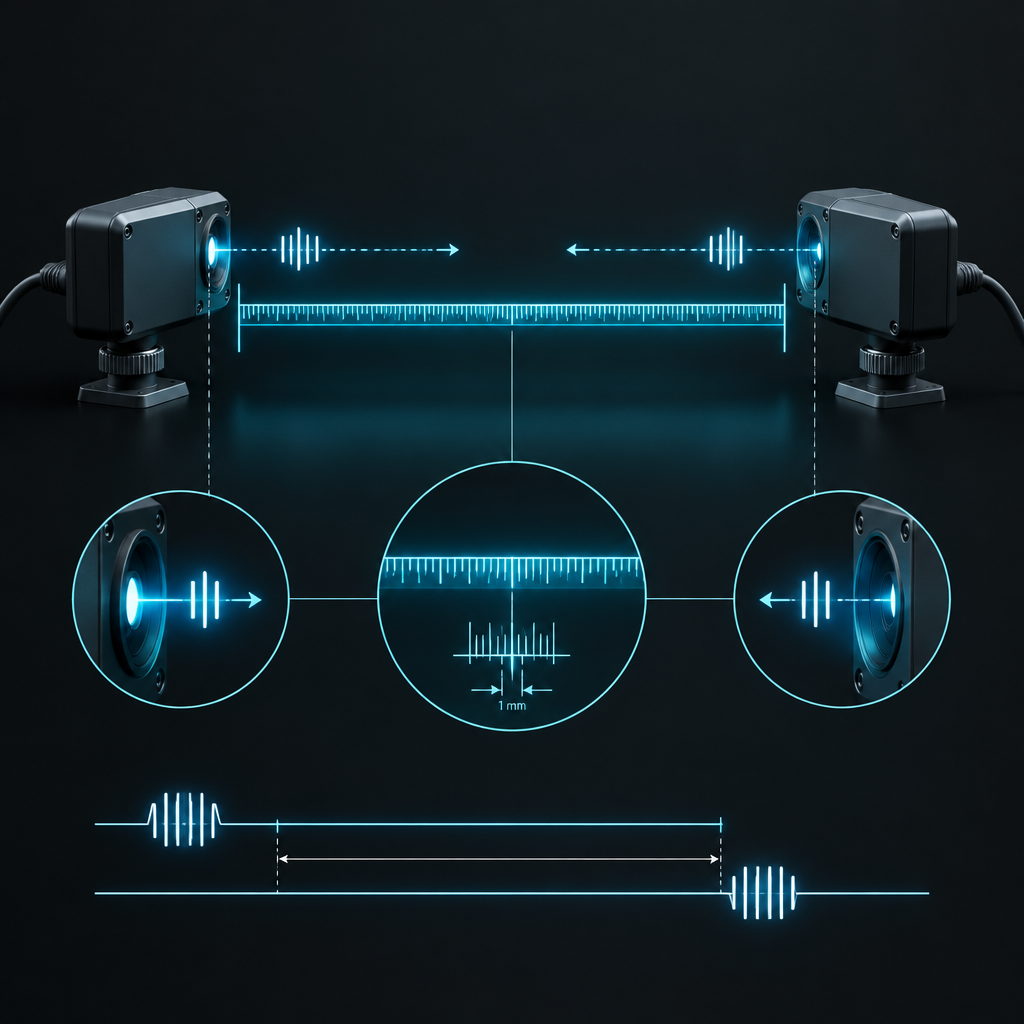
Wireless latency in gaming headsets is typically measured from the moment the audio source device (your PC, your PlayStation) sends a signal until that signal reaches the wireless receiver dongle that's connected to your headset. That's the latency being advertised. It is a real measurement of a real delay.
What your brain is detecting is something substantially different: the total accumulated latency from the moment sound is digitally generated in the game, travels through the operating system's audio stack, gets compressed by the codec if you're using a codec that compresses, gets transmitted wirelessly, arrives at the headset, gets decompressed if compression happened, gets converted from digital to analog, travels through the driver, and finally reaches your ear canal where it can be processed by your auditory system which itself adds processing delay.
That full chain can easily accumulate 50-80ms even on a "20ms latency" wireless connection. Add the fact that your gaming headset is almost certainly using some form of processing on the input side too , noise cancellation, directional audio processing, frequency adjustment , and you're looking at delays on both sides of the signal path that can compound.
The Codec Part That Changes Everything
Most gaming headsets use either Qualcomm's aptX or SBC (the Bluetooth core codec) for wireless transmission. Both are fine. Neither is optimized for low latency. The aptX variants range from ~40ms (aptX LL, low latency) to 200ms+ (aptX Classic), depending on implementation.
LC3, the codec that comes with Bluetooth LE Audio, was designed from the ground up to minimize latency while maintaining audio quality. Current implementations achieve 20-40ms end-to-end codec latency, which is better than most aptX implementations and better than SBC. The problem: almost no gaming headsets ship with LC3 support yet. Most of the ones that claim "low latency" are using aptX LL or proprietary 2.4GHz wireless protocols that bypass Bluetooth entirely.
The reason gaming headset manufacturers haven't rushed to LC3 is technical inertia. The toolchains are set up for aptX. The driver software is optimized for aptX. Licensing is more complicated than it is for SBC. The headset that ships with proper LC3 implementation will be fast, but that headset doesn't exist yet in the mainstream market at consumer prices.
Why the Razer BlackShark V3 Feels Faster Than Its Latency Specification
The Razer BlackShark V3 Pro lists 20ms ultra-low latency on its spec sheet. In practice, people who switch from a wired headset to the BlackShark report that it feels noticeably closer to zero latency than that number would suggest. Here's why.
Razer proprietary doesn't use Bluetooth for its wireless connectivity. It uses a 2.4GHz dongle that operates outside the Bluetooth protocol stack entirely. That means it bypasses the Bluetooth audio stack and the associated codec negotiation delays. The 20ms latency they're claiming is legitimate measurement of their proprietary wireless transport, and because it's proprietary they've optimized specifically for low latency in ways that Bluetooth's broader compatibility requirements don't allow.
The trade-off: proprietary wireless only works with that specific dongle. You can't switch between your PlayStation and PC without unplugging the dongle and replugging it. You can't use it on your phone without an adapter that may or may not work. You're locked into Razer's implementation.
This is why competitive gamers use Razer, SteelSeries, and other gaming brands that have proprietary wireless. The latency specification is more honest because it reflects a simplified, optimized system. This is also why those headsets usually cost more than Bluetooth alternatives with similar specs. The proprietary implementation carries overhead that Bluetooth's generalized approach doesn't.
The Future That's Coming: Bluetooth Finally Doing Gaming Right
Bluetooth 5.4 introduced isochronous channels , dedicated data paths with guaranteed timing for audio that prioritizes latency over reliability. Current implementation targets sub-20ms latency through the Bluetooth stack itself, before you add the individual codec latency on top.
The combination of Bluetooth 5.4 isochronous channels plus LC3 codec targeting is finally producing something that competes with proprietary solutions. The first mainstream devices shipping with this combination should land in mid-2026 through 2027 from the major manufacturers.
The reason this took until 2026 for a technology stack that was theoretically possible in 2020: the specification existed but the implementation required hardware support in the Bluetooth chipset. Qualcomm's newer silicon supports it. MediaTek's newer chips support it. Intel's chips support it. But those chips have to be designed into new products, and new products take time to reach retail.
What to Buy Right Now If You Game Competitively
If you need the absolute lowest latency possible and you're playing competitive shooters at a level where milliseconds matter, the proprietary wireless gaming headsets from SteelSeries, Razer, and HyperX are still the correct recommendation. The latency is genuinely faster, even if the spec sheets are being honest in ways that Bluetooth specifications are not.
If you want a Bluetooth gaming headset and you can tolerate slightly higher latency than the absolute best proprietary options, wait for devices that explicitly advertise Bluetooth 5.4 isochronous support and LC3 codec. Don't trust marketing copy that says "low latency" without specifying the chain. Look for devices that publish end-to-end latency measurements including codec, not just the wireless transport latency.
If you're not a competitive player and you're okay with 40-50ms latency because you're not playing rhythm games or competitive shooters, then basically any modern wireless headset from a reputable manufacturer is fine. The latency gap between the best and mediocre is huge at the competitive level. It's almost imperceptible at the casual level.
The Real Question Nobody Asks
The reason latency specifications are so misleading is that the companies publishing them know most consumers don't understand what "20ms wireless latency" actually means, and honest communication about the full end-to-end delay would make their products look worse compared to wired alternatives. A spec that says "20ms" looks better than honest copy that says "approximately 50-70ms end-to-end latency when accounting for codec, OS stack, driver processing, and DAC conversion."
Bluetooth has gotten genuinely better at latency over the past five years. The new isochronous channels are a real improvement. LC3 is a real improvement. But the marketing still won't catch up to the actual performance because the marketing is designed to sell products, not educate buyers.
The gaming headset that feels as responsive as wired is close. It's probably 18-24 months away from mainstream availability. Until then, if milliseconds matter to you, the proprietary stuff is still the right answer despite the ecosystem restrictions it carries. If milliseconds don't matter to you, you probably already have a headset that's good enough, and this entire article is noise.