The Quiet Revolution That Changed Accessibility
Bluetooth LE Audio did not arrive with marketing fanfare or conference keynotes. It slipped into 2026 without press releases, appearing first in hearing aids, then in concert halls, then in subway stations. By May 2026, the protocol that most people cannot name had quietly rewired how millions of people listen to the world.
The shift was not technical. Engineers had perfected LE Audio specs years earlier. The revolution was social. In 2026, institutions discovered that LE Audio solved an old problem: how to broadcast sound to groups without requiring proprietary hardware, closed ecosystems, or permission from corporations.
How Hearing Aid Monopolies Actually Cracked
For decades, hearing aid manufacturers operated in isolation. Phonak, ReSound, Oticon, and Signia built devices that communicated only with their own smartphones apps, processors, and accessories. A hearing aid wearer was locked into that ecosystem for life. Changing brands meant relearning software, losing customizations, and often replacing working devices.
LE Audio broke that lock. By establishing a common Bluetooth standard for hearing aid connectivity, it created the first genuine interoperability layer the industry had ever seen. A ReSound hearing aid could now pair with any Bluetooth LE Audio device. A smartphone notification could reach any compatible hearing aid. An Auracast broadcast could deliver live speech or music to any attendee with LE Audio earbuds.
Manufacturers fought this. Phonak, the market leader, delayed LE Audio adoption longer than competitors, hoping to maintain proprietary advantages. But the market moved faster than corporate strategy. By Q2 2026, all major manufacturers had shipped LE Audio models. The hearing aid monopoly did not collapse; it transformed into a competitive market where choice existed for the first time.
Auracast Changed Where Sound Can Go
Auracast is LE Audio's broadcast mode. Think of it as Bluetooth that transmits in one direction to many receivers simultaneously, like a radio station but without the tower.
Early 2026 saw Auracast deployments in unexpected places. Museums in Japan began broadcasting exhibition audio directly to visitors' hearing aids and earbuds. The Music Festival for Children and Young People 2025 in Japan became the first concert using Auracast broadcast audio. Guided museum tours no longer required rental receivers that nobody wants to carry. Visitors brought their own devices.
Public transportation systems started experimenting next. Subway announcements could be broadcast via Auracast to all passengers with compatible devices. No more shouting station names. No more confusion about whether the train is delayed. The announcement reaches everyone.
By mid-2026, Auracast was being deployed in theaters, conference halls, and public squares. The technical capability existed earlier, but institutional adoption required belief in a standard that nobody had used before. That belief arrived in 2026.
The Low-Power Architecture That Made It Possible
LE Audio works because it was built on Bluetooth Low Energy, the power-efficient protocol that kept smartwatches and fitness trackers alive for days. Applying that efficiency to audio seemed impossible. How could you compress sound enough to run on BLE without destroying quality?
The answer was the LC3 codec, a compression algorithm that delivered acceptable audio quality at 64 kilobits per second. For hearing aids and earbuds playing speech or announcements, 64 kbps was sufficient. For high-fidelity music, it was marginal. But marginal was enough to make hearing aids last weeks instead of days, and to allow broadcast Auracast to reach dozens of devices from a single transmitter without draining the transmitter's battery.
Power efficiency mattered for adoption. A hearing aid that lasted a week was a failure. A hearing aid that lasted four weeks because LE Audio consumed less power was transformation. Manufacturers could shrink batteries, reduce size, and improve comfort. Patients noticed immediately.
For Auracast broadcasts, efficiency meant that a single transmitter in a museum lobby could reach hundreds of visitors without needing a transmission tower, booster, or external power supply. The museum's existing WiFi could handle the Bluetooth coordinator. Signal strength reached 30 meters indoors, enough for small to medium gathering spaces. Larger venues built multiple transmitters, but the cost was negligible compared to old broadcast audio systems.
The Standardization That Changed Everything
LE Audio succeeded where previous audio protocols failed because it was a open standard enforced by the Bluetooth Special Interest Group, not a proprietary system owned by one company. Any manufacturer could implement LE Audio without licensing fees, patent disputes, or platform lock-in. That openness accelerated adoption across industries that proprietary systems could never reach.
By contrast, aptX, Sony's LDAC, and other earlier audio codecs remained proprietary. Samsung used their own implementation. Apple created their own ecosystem. Fragmentation meant that not all devices worked together. That fragmentation is why hearing aid interoperability never happened before 2026. LE Audio's open standard eliminated the barrier.
The Bluetooth SIG also managed the ecosystem carefully. Manufacturers who wanted to deploy LE Audio had to pass certification tests. Auracast broadcasts had to follow compatibility guidelines. That light-touch standardization prevented the "embrace, extend, extinguish" pattern that had killed previous promising audio standards.
What Changed in 2026
LE Audio and Auracast existed in 2024 and 2025. The technical specs were finalized; the first devices shipped. But 2026 was the year institutions believed the standard was real and worth adopting. That belief came from three convergences.
First, critical mass arrived. When the second-largest hearing aid manufacturer (after Phonak) shipped LE Audio, the market shifted. Patients asked for LE Audio explicitly. Audiologists recommended LE Audio devices. Enterprises started requiring LE Audio compatibility in procurement. Network effects kicked in.
Second, use cases became visible. Concert venues, museums, and public spaces started broadcasting via Auracast. News spread through social media and accessibility forums. People who had never heard of Bluetooth suddenly realized their hearing aids were connecting to a public broadcast they could join. Word of mouth did more marketing than any corporate campaign.
Third, price fell. The manufacturing cost of LE Audio chips dropped. Hearing aids shipped with LE Audio at no price premium. Earbuds with LE Audio became standard at all price points. What cost thousands in 2024 became commodity technology in 2026. Price reduction removed the last barrier to adoption.
The Future: Precision and Context
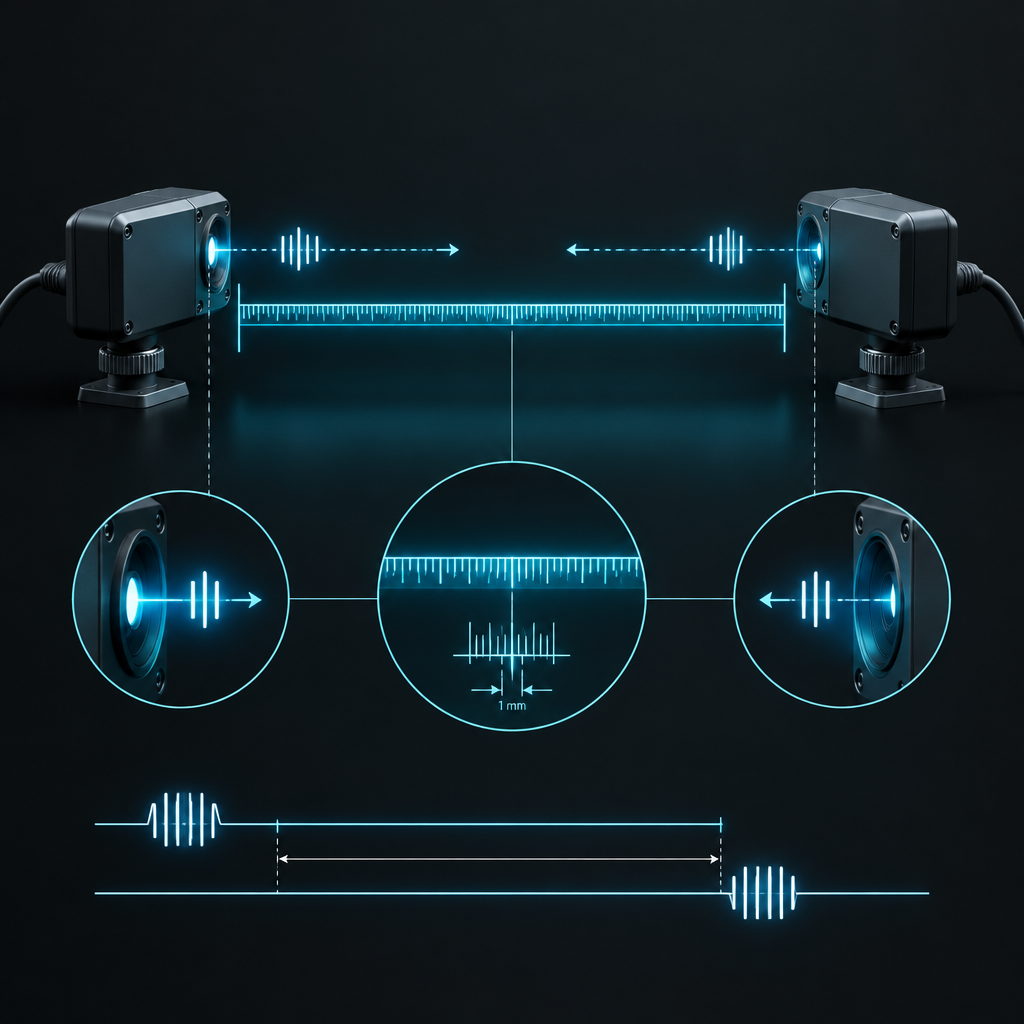
By May 2026, LE Audio had stabilized as the default for hearing aids and accessible listening devices. But the ecosystem was already looking forward. The Bluetooth SIG and manufacturers like Samsung, Sony, and OPPO were developing Channel Sounding, a precision ranging technology that could tell you exactly how far a Bluetooth device was from you, accurate to centimeters. That opened doors to digital car keys, precise device discovery, and location-aware services.
Samsung and OPPO both signaled that 2026 would see higher data throughput and lower latency in Bluetooth systems to support gaming, real-time applications, and simultaneous multi-device connections. Sony was pushing high-resolution and lossless audio as a growth area. The Bluetooth ecosystem was no longer content being the "basic connectivity" protocol. It was becoming a platform for precision.
For accessibility, the implications were profound. Auracast could evolve beyond simple broadcasts to interactive, personalized experiences. A museum could send exhibition audio in multiple languages simultaneously. A theater could deliver English subtitles to a patron's earbuds while the show proceeded on stage. A speech event could deliver captions in real time to attendees with hearing loss. LE Audio was infrastructure. 2026 was the year it became visible.