The Thing That Should Have Happened Five Years Ago
Go to a movie theater as someone with hearing loss and you face a choice: bring a personal hearing loop receiver and inconspicuously wear a neck loop while everyone around you watches normally, or use captions and watch the subtitled version that the theater has available on maybe 20% of screenings. Go to a Broadway show in a major city and you get better assistive listening systems but still technology that treats deaf and hard-of-hearing audience members as an afterthought rather than the entire reason the system exists.
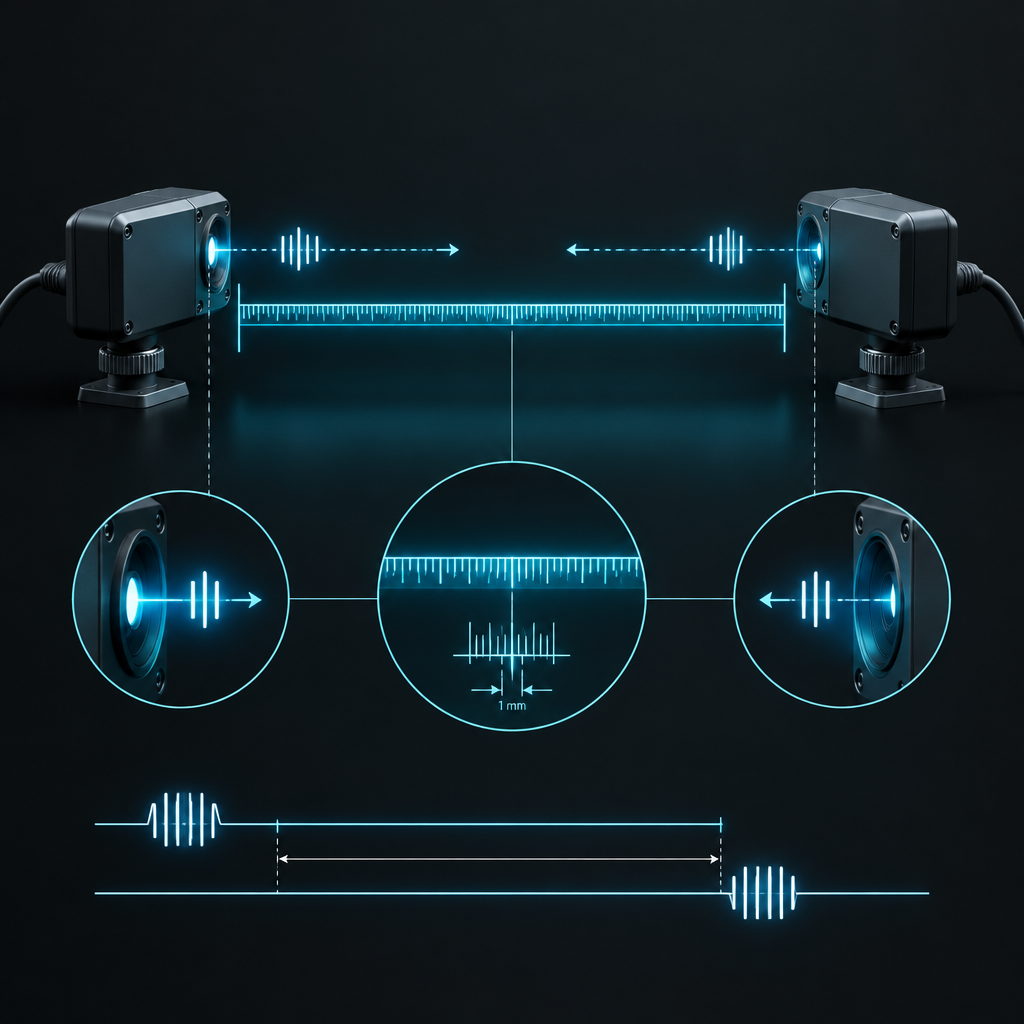
Auracast broadcast audio , the Bluetooth LE feature that allows a single audio source to stream wirelessly to an unlimited number of receivers simultaneously , was supposed to fix this in 2023. The spec was ratified. Venues were supposed to start installing it. Hearing aid manufacturers were supposed to build it into devices. Two and a half years later, you can count the number of American venues that have deployed Auracast on your fingers.
This year, finally, the other domino falls. The hearing aids are actually coming.
Who's Shipping and When
Oticon just updated their Intent hearing aid , the flagship model , with Bluetooth LE Audio and Auracast compatibility in October 2025. Signia IX launched with built-in Auracast support. ReSound's Nexia and Vivia lines added LE Audio in their latest firmware updates. Starkey's Omega AI is shipping with the capability now. The major manufacturers have, essentially simultaneously, made the decision that Auracast support is no longer optional.
This matters because hearing aid adoption has a specific demographic and a specific purchasing dynamic. The decision to buy a hearing aid is typically made by the person with the hearing loss and their audiologist, not by market forces or by the kind of consumer hype cycle that drives adoption in the personal audio space. When all five major manufacturers ship Auracast support within the same six-month window, it stops being a differentiator and starts being table stakes. The installed base of Auracast-capable hearing aids is about to expand dramatically.
Why This Changes Everything
The installed base number matters because it unlocks the infrastructure investment question that has kept Auracast deployment in the infrastructure phase for two and a half years. A venue considering whether to install Auracast transmitters currently estimates that maybe 15-20% of their deaf and hard-of-hearing visitors will have the capability to receive the broadcast. The ROI calculation for a $10,000-$50,000 audio infrastructure upgrade is not compelling at those numbers.
When 60-70% of hearing aid wearers have Auracast capability , and the timeline for that is probably 2027-2028, as the installed base of pre-Auracast hearing aids is naturally replaced , the ROI suddenly changes. The venue can reasonably assume that the majority of their deaf and hard-of-hearing audience can receive the broadcast. The infrastructure investment becomes justified. The deployments begin.
That transition is what's happening right now. The hearing aid manufacturers have made their decision. The infrastructure wave will follow once the installed base reaches critical mass. We're looking at 18-24 months before major venue deployments become routine rather than exceptional.
What Auracast Actually Does in a Hearing Aid
The mechanism is straightforward: Auracast is a broadcast standard that operates over Bluetooth LE channels, allowing a single transmitter to broadcast to multiple receivers on the same channel simultaneously. A hearing aid user walks into a theater with an Auracast transmitter, and the hearing aid automatically receives the broadcast without any pairing, registration, or authentication required. The audio plays directly into the device at whatever volume the user has their hearing aid set to.
Compare that to the current generation of assistive listening systems: hearing loop systems that require the hearing aid to have a telecoil (many modern hearing aids don't), or FM systems where the hearing aid user has to carry a separate receiver and wear it conspicuously while the rest of the theater watches unaided. Auracast is invisible. The hearing aid user is not marked as different. They are using the same technology as everyone else.
The audio quality is also fundamentally different. The analog audio through a hearing loop is what it is , whatever the venue's system can deliver through induction coupling. Auracast delivers digital audio from the source to the hearing aid without intermediate conversion, which means better fidelity and better intelligibility for speech-heavy content like theater, movies, lectures, and religious services where hearing loss makes comprehension particularly difficult.
The FDA's Role in Getting This Done
The FDA's decision in 2024 to authorize the first over-the-counter hearing aid software , specifically Hearing Aid Feature for compatible iPhones , shifted something fundamental in the hearing aid market. Suddenly there was a category of FDA-regulated hearing assistance technology that was not traditional hearing aids. That created room for innovation and for manufacturers to take risks in ways that traditional hearing aid distribution didn't allow.
Simultaneously, the FCC mandated 100% hearing aid compatibility for all future wireless handset models. That requirement, which took effect in 2024, essentially forces smartphone manufacturers to ensure their devices are compatible with hearing aids. When the government is mandating compatibility, manufacturers understand that hearing aid support is not a niche market consideration. It is infrastructure-level importance.
The combination of those regulatory moves , FDA opening the OTC door and the FCC mandating handset compatibility , created the landscape where hearing aid manufacturers felt justified in investing in Auracast implementation. The market moved from "this is a nice-to-have" to "this is necessary infrastructure." The manufacturers acted accordingly.
What Happens in the Venues That Don't Install Auracast
Here's the darker piece: Auracast's success depends on venue adoption. If the major movie theater chains, Broadway theaters, university lecture halls, and sports arenas don't install Auracast transmitters, then all of this technological capability is a solution in search of a problem.
The good news is that major North American theater chains are actively implementing it. The bad news is that the deployment is happening unevenly. Urban venues in major markets are first. Rural and mid-sized markets are last. Movie theaters are moving faster than sports arenas. Universities and performing arts venues are being early adopters because accessibility is a legal requirement for them in ways that it isn't for some other venues.
The realistic timeline: by end of 2027, you'll be able to use Auracast in major theaters in major cities. By end of 2028, it will probably be available in 50-60% of movie theaters and performing arts venues in the United States. Some theaters will never install it, because the economics don't justify it or the venue operators never prioritized accessibility infrastructure.
The Hearing Aid Industry's Real Motivation
There is no coincidence in the timing of all five major manufacturers shipping Auracast support within six months. The hearing aid industry is acutely aware that direct-to-consumer hearing aids (OTC devices) are coming, that the regulatory landscape has shifted, and that they need to differentiate premium hearing aids from the OTC options that are cheaper and available without a prescription.
Auracast support is a feature that cannot exist in OTC hearing aids because OTC devices are not connected to hearing care infrastructure that would know about Auracast broadcasts. Building Auracast support requires professional hearing aid software and cloud connectivity that ties into the audiologist's ecosystem. It is a premium-device feature that justifies the price difference between professional hearing aids and OTC alternatives.
That is not cynicism. That is clear-eyed recognition of market dynamics. The manufacturers are solving an accessibility problem at the same time they are creating a product differentiation strategy. Both things are true.
The Actual Meaning of This
For someone with hearing loss, 2026-2028 is the inflection point where accessibility technology stops feeling like an accommodation and starts feeling like basic infrastructure. Theater captions will still exist. Hearing loop systems will still be installed in some venues. But Auracast will become the path of least resistance for the majority of situations.
That's bigger than it sounds. Accessibility that requires conscious accommodation , requesting a hearing loop receiver, wearing conspicuous equipment, negotiating with venue staff , is accessibility that many people with hearing loss simply don't access because they are exhausted by the social friction of asking.
Accessibility that is invisible and automatic , showing up to a theater, your hearing aid connects to the broadcast automatically, you watch the movie with the same audio experience as everyone else , is accessibility that removes the social friction.
This news cycle is not flashy. The press releases from Oticon and ReSound about Auracast support will probably not make mainstream tech news. But for the roughly 42 million Americans with some degree of hearing loss, this is the year when your hearing aid stopped being an isolating accommodation and started being a gateway to the same audio infrastructure that everyone else uses.
The infrastructure has to follow. Give it 18-24 months and it will. This is how change happens , the capability ships first, the market builds the demand, the infrastructure follows when the economics justify it. We are in phase one. Phase two is coming.